Designer Travel Accessories for Women
Montreal Occasion Dressing Guide: What to Wear to Every Event
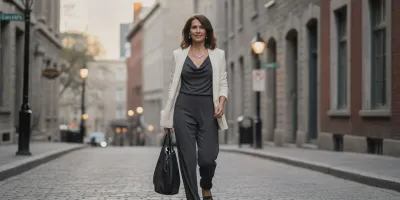
A thoughtful Montreal occasion dressing guide begins with more than a dress code. The season, venue, schedule and atmosphere all shape what feels right, while Montreal weather can make a carefully planned outfit work harder than expected. Whether you are preparing for a wedding, a gala, an art opening or a summer gathering outdoors, a few considered choices can help you feel polished without feeling overdone.
Book a complimentary styling appointment
This guide is a starting point for the occasions that fill a Montreal calendar. It outlines the questions to ask before choosing an outfit, the details that make an ensemble feel intentional, and ways to plan for changing conditions. The aim is not to prescribe one look for every event. It is to help you choose with confidence and adapt your own style to the moment.
What makes occasion dressing in Montreal different?
Montreal occasions are shaped by distinct seasons and varied settings. A celebration may begin in a cool church or historic venue, continue outdoors for photographs, then move into a warm reception room. An art opening can call for a different kind of polish than a formal dinner, even if both appear on the same weekend. The useful starting point is to think about the whole experience rather than a single photograph or dress-code word.
Begin with the invitation. Look for a stated dress code, the event time, the venue and any practical notes about the setting. A ceremony, cocktail reception and dinner may happen in different places or have different expectations. If an invitation is vague, consider the hosts, occasion and venue. When in doubt, ask the host or event organizer rather than treating a guess as a rule.
Then consider the season and the amount of time you will spend outside. In winter, a beautiful outfit needs a warm, elegant outer layer and footwear that can handle the route from car or metro to the entrance. In summer, breathable layers and shoes suited to the ground matter just as much as the silhouette. Check a reliable local forecast as the event approaches; Environment and Climate Change Canada’s weather service provides current forecasts and alerts. Weather planning is especially useful for outdoor events, where conditions can change the comfort of an outfit quickly.
Finally, make room for your own point of view. Occasion dressing need not mean adopting a look that feels unlike you. A considered shape, a beautiful colour, an interesting accessory or a well-chosen jacket can make an outfit feel personal while remaining appropriate to the setting.
Think about the complete experience, not just the arrival
It is natural to picture the moment you walk into a room, but an event outfit has to work before and after that entrance. Consider how you will travel, where you will wait, whether you will be seated, and what you will do when the formal part of the occasion ends. You may be standing during a welcome, sitting through a meal, moving between rooms and walking outside again later. Each part of the schedule places a different demand on clothing and accessories.
Make a simple timeline. Write down departure time, travel time, arrival, the main activity and expected finish. Mark the parts that take place outdoors, involve a long period of standing or call for movement. This is particularly useful when an invitation combines a ceremony with a reception. A guest who must walk several blocks after the ceremony should make a different footwear plan from someone being dropped directly at the entrance. A look that is comfortable throughout the day often appears more composed because you are not constantly adjusting it.
Think of your outfit as a small system. The main garment or separates create its foundation; the layer responds to temperature; shoes answer the route and surface; the bag carries what you need; and accessories establish the level of formality. If one part is missing, the whole combination may feel less settled. A formal dress with a casual travel coat can feel disconnected on arrival, while a refined coat and appropriate shoes help the outfit make sense from the street to the event room.
Montreal's mix of indoor and outdoor spaces makes this whole-experience approach especially helpful. The temperature inside a crowded reception may be very different from the temperature outside. You may also move between a taxi, the street, a coat check and a warm dining room within minutes. Choose layers that can be removed without disturbing the outfit underneath, and consider how you will carry them once indoors. A light wrap or jacket that works with the silhouette is more useful than an extra layer chosen only because it is warm.
Use the invitation as information, not as a complete answer
An invitation may give you the event name and dress code, but it cannot always describe every practical detail. Look for clues in the time of day, the venue, the wording and the order of activities. A late afternoon ceremony followed by dinner may move from daylight into evening. A garden reception may use the same formal language as an indoor celebration but require shoes that can handle grass. A gallery opening may be social and relaxed or more ceremonial, depending on the host and setting.
When a detail matters to your choice, ask a specific question. Instead of asking only whether the event is formal, ask whether the reception includes outdoor time, whether guests will move between locations or whether there is a coat check. Those answers help you solve practical decisions without asking the host to select your outfit. If you are a guest at a wedding, a member of the wedding party may know whether the couple has preferences about colours or cultural customs. For a work event, an organizer or colleague can explain the expected degree of polish.
Make a distinction between what is confirmed and what you are inferring. Confirmed information includes a printed dress code, a stated venue or an explicit request from the host. Inferred information includes assumptions based on photographs, the venue's reputation or what other guests wore at a different event. Use clues, but do not let an assumption become a strict rule. This keeps preparation flexible and makes it easier to adjust if new information arrives.
How should you start planning an event outfit?
A little preparation prevents last-minute uncertainty. Use these steps when an invitation arrives:
Read the invitation closely. Note the dress code, location, start time and whether the event is indoors, outdoors or a combination of both.
Map the occasion. Think about what you will do, how long you will be there and whether you will move between locations. A seated dinner and a standing reception place different demands on shoes and layers.
Choose one anchor piece. Start with the dress, suit separates, skirt or tailored trousers that best suit the event. Build around it rather than shopping for a complete outfit without a plan.
Check fit and comfort early. Sit, walk, raise your arms and try the outfit with the undergarments and shoes you expect to wear. Make any needed adjustments before the week of the event.
Plan the outer layer and the journey. Consider the walk from the car, taxi or metro, the forecast and where you can leave a coat or bag once inside.
Finish with accessories and a final edit. Choose a bag, jewellery, scarf or belt that complements the outfit, then remove anything that competes with the overall look.
This order keeps the most important decisions first. It also makes it easier to use pieces you already own: one excellent jacket, a versatile skirt or a polished pair of trousers can anchor more than one occasion when styled differently.
Turn the first decision into a useful checklist
For each event, answer five short questions before you choose clothes. What is the occasion? What level of formality is requested or implied? Where will the event take place? What will you be doing for most of the time? What will the weather and route require? If you can answer those questions, you have a framework for the outfit. If one answer is uncertain, identify it as a question to resolve rather than trying to solve every other detail by guessing.
Next, look at what you already own. Pull out a few plausible anchor pieces and assess them against the event rather than against an abstract ideal outfit. Does the piece feel right for the venue? Can you sit and move in it? Does it work with a layer for the temperature? Can you complete the look with shoes and accessories you have? A garment may be beautiful yet not suitable for this particular schedule; that does not make it a poor piece, only the wrong starting point for this occasion.
Try the strongest option on in good light. Check the front, side and back, then sit down and walk a few steps. The purpose is not to inspect yourself for flaws. It is to catch practical problems early: a hem that catches on a shoe, a fastening that shifts, a sleeve that makes a jacket difficult to wear or a bag strap that interferes with the silhouette. Small changes are easier to make when there is time.
Once the anchor works, add one element at a time. First select shoes, then the outer layer, then the bag and jewellery. After each addition, ask whether it improves comfort, appropriateness or personal expression. If it does none of those things, it may be unnecessary. This deliberate sequence helps prevent the common pattern of adding accessories in a rush until the look feels busy.
Build a realistic event timeline
Different events call for different lead times. For a familiar dinner where you already have a complete outfit, a short check a few days ahead may be enough. For a wedding, gala or a series of occasions, give yourself longer to coordinate the main pieces, arrange alterations and decide on outerwear. You do not need to make every choice months in advance, but you do need time to resolve the decisions that cannot be fixed on the day.
Start with the part that has the longest lead time. If a garment needs an alteration, plan around that. If you are waiting for the host to confirm an outdoor location, leave the footwear decision open but settle the rest of the outfit. If you need to borrow or retrieve an accessory, add that to the calendar. A short written plan prevents a minor detail from becoming a last-minute obstacle.
About a week before a major event, try the complete look. A few days later, check the weather and make any reasonable adjustments. The day before, confirm the route, prepare the garment and put accessories together. This sequence is not meant to turn dressing into a project. It reserves a little attention for the choices that matter and gives you permission to stop once the outfit is ready.
What should you wear to a Montreal wedding?
A wedding outfit should respect the couple’s wishes and the formality of the celebration while allowing you to feel comfortable through the full day. Start with the dress code if one is provided. If it is not, use the venue, time and style of the invitation to judge how formal the event is. A daytime celebration in a garden suggests a different approach from an evening reception in a grand hall.
Think in terms of a complete look rather than a single garment. A dress can be an easy choice, but a refined blouse with a skirt or tailored trousers can be equally appropriate when the setting allows. Consider movement: you may be standing for the ceremony, walking for photographs and dancing later. A hemline and shoes that work across those moments are usually more useful than a look designed only for the first arrival.
For a spring or autumn wedding, plan a layer that looks intentional over the outfit. A tailored jacket, elegant wrap or coat can add warmth without making the ensemble feel like an afterthought. In summer, fabrics and construction that feel comfortable through a warm afternoon can help you stay present at the celebration. Winter weddings call for practical attention to the route and temperature: a warm coat, stable footwear for travel and a plan for changing into event shoes may be worth considering.
Keep the focus on the couple and avoid assuming that every wedding has the same traditions. If you are unsure about colours, cultural expectations or the level of formality, ask a member of the wedding party. The most assured guest is one who has considered the setting and does not need to spend the day adjusting, worrying or feeling conspicuous.
For a deeper seasonal breakdown, see the dedicated occasion-dressing articles on the Emma Boutique blog. They can help you think through the particular demands of a wedding invitation and the weather at that time of year.
How does the season change a wedding guest outfit?
In spring, the challenge is often the gap between a cool arrival and a more comfortable indoor reception. Choose a layer that fits over the outfit without pulling at the shoulders or catching at the waist. If you are wearing a dress, test whether the coat or jacket covers it in a way that feels balanced. If you are wearing separates, consider how the layers work together when the jacket is removed. Spring weather can be changeable, so it is sensible to make the outer layer part of the plan rather than an emergency addition.
A summer wedding asks you to think about heat, sunlight and the surface underfoot. For a lawn ceremony, a stable shoe may be more practical than a narrow heel. For a midday event, consider whether the outfit will remain comfortable in direct sun and whether a light wrap will be useful indoors later. A garden or terrace can feel very different from a cool reception room, so an outfit that can adapt is more valuable than one designed around only one temperature.
Autumn brings a change in light and temperature during the same event. An afternoon ceremony may end after sunset, and guests may stand outdoors for photographs or conversation. A tailored jacket, a substantial wrap or a coat with a clean line can bridge those conditions. Look at the colours and texture of the complete look in daylight and in indoor lighting if possible; a tone that feels soft in one setting may read more vivid in another.
In winter, the trip to and from the venue matters as much as the indoor outfit. Choose warm outerwear and practical travel shoes, especially if sidewalks may be wet or slippery. If you prefer a dressier shoe for the event, plan for a change rather than expecting delicate footwear to handle every part of the journey. A coat check can make an elegant outer layer convenient, but do not assume one exists without checking.
What makes wedding-guest dressing considerate?
Consideration begins with following clear requests from the couple. If the invitation identifies a dress code or makes a specific request, use it as the basis for your choice. If you are uncertain about a tradition, colour expectation or cultural detail, ask respectfully rather than relying on a general rule that may not apply to this wedding. A short question can spare both you and the hosts unnecessary uncertainty.
Consider also the photographs and movement of the day. A guest outfit need not disappear into the background, but it should feel appropriate to a celebration centred on the couple. Choose a level of visual emphasis that feels gracious for the event. Think about whether a large accessory, trailing layer or shoe is likely to be awkward during a ceremony or in a crowded reception. This is not a demand to dress without personality; it is a way to let personal style sit comfortably within the occasion.
Finally, plan for the full schedule. A wedding can be many hours long, with periods of sitting, standing, walking and dancing. Comfortable clothing and shoes help you take part without constantly thinking about the outfit. If you know you will need a wrap, a secure bag or a change of shoes, decide where each will go. A thoughtful plan makes it easier to be present with the couple and other guests.
How can you dress for a gala or formal evening?
A gala often calls for a more deliberate level of polish, but the invitation remains the best guide. “Formal,” “black tie” and other dress-code terms can be interpreted differently by different hosts, so read the wording in context. If a specific standard is requested and you are uncertain what it means, ask the organizer before deciding how far to dress up.
For an evening event, consider the silhouette, fabric and finish together. A streamlined dress, a sophisticated skirt-and-top combination or elegant tailored separates can each create a formal impression. The outfit should feel appropriate when standing and sitting, and it should suit the room rather than simply look striking in isolation. A refined colour, a graceful line or one distinctive detail can carry more presence than several competing statement pieces.
Accessories help set the tone. A smaller evening bag, thoughtfully chosen jewellery and shoes with a polished finish can make a familiar outfit feel occasion-ready. If the event involves a long reception, think practically about heel height, bag capacity and whether you can move comfortably through the room. A beautiful shoe is only a good choice if you can wear it for the evening you have planned.
Montreal’s colder months require an outer layer that belongs with the formal look. Check whether the venue has a coat check and consider the transition from the entrance to the event space. A warm, well-proportioned coat is part of the outfit guests see on arrival; it need not be treated as a purely functional extra. For a focused discussion of formal events, the blog also features a Montreal gala dressing guide.
How can you make formal dressing feel like your own?
Formal does not have to mean unfamiliar. Begin with shapes and proportions you already enjoy, then adjust the finish to match the invitation. If you feel comfortable in a dress with a defined waist, look for a formal version of that general shape. If you prefer separates, a refined blouse and a beautifully proportioned skirt or tailored trousers can offer the same sense of occasion. The important point is to understand the expected level of polish, then express it through a silhouette that feels natural to you.
Choose one place for a stronger expression of personality. That might be a colour, a distinctive earring, an interesting neckline, a textured wrap or a more architectural bag. When several elements make equal claims for attention, the outfit can feel unsettled. A clear focal point gives the look direction and allows the rest of the pieces to support it.
Think about the room and the event's purpose. A gala may be a fundraiser, a cultural celebration, a professional gathering or a formal dinner. Even if two events use the same dress-code term, their atmosphere may differ. The host, venue, guest list and schedule can help you find a suitable balance. When the event is connected to work, for instance, you may prefer a little more restraint than you would for a private celebration. The invitation and the people hosting it provide context without dictating every detail.
Try the complete outfit under the kind of lighting you expect, if possible. Evening lighting can change how colours and finishes appear. Check that jewellery, shoes and a bag feel harmonious together and that the outer layer does not hide a detail you care about. You are not aiming for a perfect photograph; you are checking that the outfit continues to feel intentional in the environment where you will wear it.
What practical details matter during a long evening?
Consider how long you will be standing, whether you will move between rooms and whether there is a seated meal. Shoes need to suit the actual duration, not only the first few minutes. If you are unsure about a new pair, wear them briefly at home before the event and make sure they feel secure. A heel that shifts or a shoe that pinches can make it difficult to focus on conversation, even when the rest of the outfit is ideal.
Choose a bag with enough room for essentials and a comfortable way to carry it. A very small bag may be elegant but can be impractical if you need to keep a phone, keys and a few personal items with you. A larger day bag may feel out of place at a formal evening. Find a middle ground that supports the event and does not need constant attention. If there is a coat check, consider how you will keep the ticket or other small items accessible.
Make a plan for layers. A coat can make the arrival polished and warm, while a lighter layer may be useful inside a drafty room. If you expect to remove an outer layer, decide whether it can be checked or carried discreetly. Avoid choosing a delicate wrap that requires constant rearranging unless you know you will be comfortable managing it. Every additional piece should make the evening easier or contribute meaningfully to the outfit.
What feels right for a gallery vernissage?
A vernissage is an opportunity to express individuality while remaining comfortable enough to look closely, move through a gallery and speak with other guests. The atmosphere varies with the venue and exhibition. Some openings feel relaxed and conversational; others are more formal. Use the invitation and location as clues, then choose an outfit that feels considered rather than costume-like.
One way to approach the occasion is to keep the foundation simple and let a single element express your personality. That might be an unexpected colour, a sculptural piece of jewellery, a distinctive bag or an interesting proportion. The aim is not to compete with the art. It is to look like yourself in a version of your style that feels especially composed.
Practicality matters in a gallery. You may be standing for much of the evening, walking between rooms or carrying a coat. Choose shoes that suit the floor and duration, and a bag that leaves you comfortable and unencumbered. A light layer can be useful in transitional weather, particularly if the journey includes time outdoors. If you are attending with colleagues or clients, consider how formal the event is in their context as well as your own.
For a vernissage, the most successful outfit often has a clear point of view and enough ease to let the evening unfold. A personal detail can be more memorable than following a formula.
How can you dress with personality without looking overworked?
Begin by deciding what you want the outfit to communicate. Perhaps you want a quiet, refined look, a more expressive colour story or a subtle reference to the event's creative setting. One intention is enough. Once you have it, choose the anchor piece and let the other elements make room for it. A dramatic necklace, for instance, may need a simpler neckline and a smaller number of competing accessories. A vivid garment can be balanced by cleaner lines elsewhere.
A gallery gives you room to be individual, but the strongest outfit is still one you can wear with ease. If a statement piece needs continual adjustment, it may distract you from the exhibition and conversations. Check how the garment moves when you raise an arm, reach for a glass or turn to look at a work. Try a bag that stays secure when you are walking, and consider whether a scarf or wrap will become something you need to carry.
Think about the room's practical demands. Some openings are crowded, with guests moving slowly through narrow spaces. Others invite people to stand in one place and talk. Clothing that takes up a great deal of space or accessories that catch easily can become uncomfortable. A distinctive silhouette can still be streamlined enough for a social setting. Personal style is often most effective when it feels deliberate rather than complicated.
It can also help to consider the exhibition without trying to dress literally for it. You do not need a motif or colour that imitates the artwork. Instead, let the occasion prompt a mood: restrained, playful, graphic, soft or polished. That approach keeps the outfit personal and avoids turning it into a costume. If you are attending with a friend or colleague, coordinate only if it feels natural; matching outfits are not necessary for a shared event.
What should you carry to a gallery opening?
Think about what you truly need for the evening. A compact bag can keep your hands free while you move through the gallery, but it should still hold your essentials securely. A strap or handle should be comfortable over the clothing you are wearing. If the event involves a coat, decide whether you will check it, carry it or wear it throughout. This small decision can affect both comfort and the appearance of the outfit.
Footwear should match the floor, the likely duration and the journey home. A polished flat, stable heel or another shoe you can stand in may be more useful than a shoe selected solely for visual impact. Galleries can have hard floors, and an opening may involve longer periods on your feet than expected. Try the shoe with the outfit and walk around at home. If it is uncomfortable before the event, it is unlikely to improve during a long evening.
If you need to bring reading glasses, a phone or a small personal item, confirm that your chosen bag can hold them without bulging or distorting. Avoid carrying more than you need simply because a larger bag is available. The aim is to arrive prepared and then forget about the bag as much as possible. When your hands and attention are free, it is easier to enjoy the art and take part in conversation.
How do you dress for an outdoor summer event?
Outdoor summer occasions can range from a garden reception to a cultural gathering or an afternoon celebration. The invitation, surface and schedule make a difference. Grass, gravel, paving and uneven paths each affect footwear. A long afternoon in the sun calls for different planning from a brief outdoor welcome followed by an indoor dinner.
Choose a silhouette that allows air and movement, and think about how the fabric will feel after several hours. A light layer can help if the event continues into the evening or takes place in a breezy setting. If the forecast suggests changing conditions, a compact umbrella or an extra layer may be more useful than a fragile accessory. Check the event details before bringing anything that could be cumbersome.
Footwear deserves particular attention. Narrow heels can be difficult on grass or gravel, while a stable flat or a broader heel may be easier to wear. You do not need to sacrifice polish for comfort; choose a shoe that suits both the outfit and the ground. A small bag should hold essentials without becoming an inconvenience when you are standing or walking.
Sun exposure and temperature can change over the course of a day. Look at the forecast close to the event and consider shade, timing and how long you expect to be outdoors. For a more detailed seasonal checklist, browse the outdoor summer event dressing advice on the Emma Boutique blog.
How should you prepare for heat, shade and a change of plans?
First, identify when the outdoor portion takes place. Midday sun, late afternoon warmth and an evening breeze create different needs. Ask whether there is shade, whether guests will sit or stand and whether the schedule is likely to move indoors if the weather changes. You do not need to predict every possibility; knowing the likely conditions helps you choose a layer and footwear that can adapt.
Consider how the outfit feels after a few hours, not only when you first put it on. A garment that feels comfortable in a cool room may feel restrictive outdoors. Try the complete look at home and move as you expect to move at the event. If you will sit on a lawn or terrace, check that the hem and fabric feel practical. If you will carry a light layer, make sure it can be folded or held without becoming awkward.
Build flexibility into the look. A jacket or wrap can be removed when it is warm; a shoe can be selected for both the walking surface and the rest of the outfit; a bag can hold a small necessary item without weighing you down. Avoid relying on an accessory that cannot tolerate a change in weather if there is a reasonable chance of rain. The most useful plan is usually a simple one with one backup option, not a collection of objects for every imaginable forecast.
Keep the host's directions in mind. Some outdoor locations have restrictions or limited space, and a large umbrella or extra bag can be inconvenient for everyone. If the invitation includes details about the venue, use them. If you are uncertain, ask whether guests should bring anything or whether the event has a weather plan. That practical question can tell you more than a general forecast alone.
How do shoes and bags change the experience outdoors?
Footwear needs to respond to the surface. On grass, a narrow heel may sink or feel unstable. On gravel, a delicate sole can be uncomfortable. On paving, you may be walking farther than you expect. A broader heel, a polished flat or another stable option can preserve a refined appearance while making the route easier. If the event is formal and you want a particular shoe for photographs or dinner, consider whether you can change after the outdoor portion, but do not create a complicated plan unless it is genuinely useful.
Check the shoe with the hem and the way you walk. A long skirt or trouser hem can catch if the shoe changes your stride; a new pair may feel different after prolonged standing. Walk on a surface similar to the event if possible. If the shoe is new, wearing it briefly before the day can reveal rubbing or fit problems in time to choose another option.
For the bag, weigh capacity against ease. An event that involves mingling outdoors may leave little room to set belongings down. Choose something that stays secure and does not need to be held constantly. If you want to bring a wrap or small umbrella, decide whether the bag can accommodate it or whether another approach is more comfortable. A bag that is too full can distort its shape and become a nuisance; a small, intentional selection of essentials is often best.
Finally, consider the route from transportation to the event. A lovely outdoor venue may involve a walk from a drop-off point, a path through a garden or uneven ground between areas. Ask the host if the approach is not clear. The right shoe is the one that suits the full occasion, including arrival and departure, not just the central lawn or terrace.
How should you adapt an outfit to Montreal’s seasons?
Seasonal dressing works best when the outfit and the practical layers belong together. Montreal winters can make the coat, boots and route part of the visible look. Spring and autumn often bring shifting temperatures, so a removable layer is useful. Summer invites lighter styling, but evenings and outdoor settings still call for a little flexibility.
Winter: make the journey part of the plan
Choose an outer layer with enough room to wear over the occasion outfit without crushing its shape. Consider the route from transport to the entrance and whether you will change shoes indoors. If the event involves snow or slush, keep travel footwear practical and bring the event shoes in a protective bag when appropriate. A scarf or other warm accessory can be elegant as well as useful.
Spring and autumn: use layers with intention
These seasons reward flexibility. A jacket, wrap or light coat can bridge a cool arrival and a warmer room. Choose a layer that complements the outfit in colour and proportion, and try it on with the complete look before the event. If you will be carrying it later, consider how easily it can be folded or checked.
Summer: balance lightness with coverage
For warm days, think about breathability, movement and the time of day. A light cardigan or wrap can provide coverage indoors or after sunset. For events on lawns or terraces, select shoes and a bag that suit the setting. A summer outfit can still feel polished when each element is comfortable and deliberate.
Use a seasonal layer test
Before choosing a coat, jacket or wrap, put it on over the entire outfit and check three things: whether it closes comfortably, whether it preserves the shape of the pieces underneath and whether it is easy to remove. A coat that is too narrow can pull at the shoulders or flatten a sleeve. A wrap that slips repeatedly may look lovely but demand attention all evening. The test takes only a few minutes and can reveal whether a practical layer truly works with the outfit.
Next, consider the period when the layer is not being worn. Will there be a coat check? Can you place it over the back of a chair without it becoming a nuisance? Is it easy to fold or carry? You may not know every detail, but thinking about these questions helps you avoid a layer that only works while you are outside. If you expect to carry it for much of the event, a lighter option may be preferable to a bulky piece chosen only for warmth.
Keep the weather plan proportional. A forecast can guide your choices, but it cannot make every outdoor event predictable. Choose a versatile layer and comfortable footwear, then avoid overpacking for scenarios that are unlikely. For a short walk from a car to an indoor venue, a warm coat may be sufficient. For an event that includes an outdoor ceremony and long reception, you may need a more considered transition plan. The length of exposure matters as much as the season itself.
Check the forecast again near the event and make one sensible adjustment if needed. If the temperature falls, add the layer you have already tested. If rain becomes more likely, reconsider delicate footwear or a bag that cannot be carried comfortably. You do not need to rebuild the outfit because of every small forecast change. The aim is to protect comfort while keeping the look intact.
How can one wardrobe serve several occasions?
Not every invitation requires an entirely new outfit. A versatile occasion wardrobe is built from pieces that can shift in tone through styling. A tailored jacket may look composed over a dress for an evening event and more relaxed with a skirt at a daytime gathering. A refined blouse can work with formal trousers for a reception, then feel different with a skirt and more expressive accessories.
Start by identifying the occasions you attend most often. You may need one polished look for work-related dinners, another for family celebrations and a more expressive option for cultural events. Notice where those needs overlap. A well-cut base piece in a colour you enjoy may serve across several settings; accessories and layers can change its mood without making the outfit feel repetitive.
When considering a new purchase, ask three practical questions: Can I wear it to more than one kind of event? Does it work with shoes and layers I already own? Will I feel comfortable in it for the length of the occasion? These questions encourage thoughtful choices without reducing style to utility. An exceptional piece can still earn its place because it makes you feel particularly yourself at an important event.
Keep a simple record of combinations that work. A note or photograph can help you remember which shoes, bag and layer completed an outfit, especially when invitations arrive close together. Before an event, try the whole look on rather than relying on memory. Small details such as a hem, fastening or missing accessory are easier to address early.
Organize an occasion wardrobe by role
Rather than sorting your wardrobe only by garment type, think about the roles your clothes play. You might have an anchor piece for a formal evening, a lighter option for daytime celebrations, a layer that works across transitional seasons and shoes you can wear comfortably for longer events. One piece may fill more than one role. The point is to recognize what each item contributes, so you can see where combinations already exist.
Begin with a small wardrobe review. Choose a few items that fit well and make you feel like yourself. For each one, note the level of formality, season and type of event it could suit. Then identify what changes its character: a jacket, a different shoe, a belt, jewellery or a bag. You may discover that the same base can move from an intimate dinner to a cultural opening with a change in accessories and outerwear. You may also find that a piece is so closely tied to one occasion that it is best treated as a special option.
Think in combinations rather than individual pieces. A blouse may be versatile in theory, but if it works with none of your skirts or trousers, it may not help you build an outfit. Conversely, a skirt that works with several tops and both flats and heels may be a useful foundation. Take a few minutes to try combinations and record the ones that feel balanced. This is more reliable than assuming that everything in the wardrobe will coordinate once an invitation arrives.
Do not force every piece to serve every occasion. Some garments are memorable because they have a very particular mood, and that can be a reason to keep them. A practical wardrobe is not necessarily a minimal one. It is a wardrobe in which you understand the options available and can choose them without unnecessary last-minute shopping. The objective is freedom and confidence, not a strict rule about how many events a garment must cover.
How can you repeat an outfit with confidence?
Repeating an outfit is a normal part of getting dressed and does not make an event less special. If you have a combination you enjoy, wearing it again can be a more assured choice than buying something unfamiliar. A change in setting, season or accessories may make the outfit feel different without requiring a new foundation. You can adjust a layer, choose another bag or add a different accent while preserving the pieces that already work.
When two events are close together and involve overlapping guests, consider whether you want the same complete look or a variation. If you prefer a change, alter one or two visible elements rather than starting over. For example, a different jacket can change the formality; another accessory can shift the focus; a different shoe can change the balance if it remains suitable for the event. Keep the overall look coherent rather than introducing changes for their own sake.
It can help to photograph a completed outfit in natural light and make a short note about what worked. Record the shoe, bag, layer and any adjustment you made. This is especially useful when an event is months away or when you have a busy calendar. A photo is a memory aid, not a verdict on how you should look. Use it to remember a successful combination and then adjust it to the current occasion.
If the outfit feels too familiar to you, ask what would make it feel fresh while staying true to your taste. Sometimes a small change in proportion, colour or accessory is enough. You may also decide that familiarity is an advantage: you already know the garment fits, moves well and feels comfortable. The confidence that comes from wearing something you trust is often more valuable than novelty.
Which details make an outfit feel finished?
Finishing an outfit is an exercise in editing. Once you have the main pieces, consider whether the proportions feel balanced, whether the colours work together and whether every element has a purpose. One focal point is often enough. If the dress or top has a strong shape, keep accessories restrained; if the base is simple, a distinctive accessory can bring personality.
Fit: Check shoulder seams, hems and closures. Clothing that sits comfortably lets you focus on the event.
Footwear: Match the shoe to the occasion, surface and amount of walking, not only to the outfit photograph.
Bag: Choose a size that holds what you need and feels easy to carry through a reception or dinner.
Jewellery and accents: Select details that complement your look rather than competing for attention.
Outerwear: Make sure the coat, jacket or wrap works with the outfit and the weather.
Personal comfort: Sit, walk and move in the completed look before you leave home.
Small repairs and preparation also matter. Check buttons, zippers and shoe condition a few days ahead. Set aside the complete outfit, including undergarments and accessories, so you are not making rushed decisions on the day. These simple checks can make a polished look feel effortless.
Check proportion and colour as a whole
When you look at an outfit, notice its overall shape before you focus on individual details. Is the volume balanced? Does a jacket end at a point that works with the skirt or trousers? Does a scarf add a useful line or interrupt the silhouette? These are not rigid rules. They are questions that help you see whether the pieces are working together. If something feels off, change one element at a time and observe the effect.
Colour can be approached in the same way. You may prefer a single tonal family, a contrast between two colours or a neutral foundation with one vivid accent. Any of these can work when the choice feels deliberate. Look at the outfit in more than one kind of light if possible, especially for an evening event. The colours may appear warmer, cooler or more saturated in a different room. A final check helps you choose jewellery and outerwear that complement the complete look.
Texture also contributes to the impression. A smooth, simple base can be enlivened by an interesting accessory; a textured garment may need fewer additions. Consider whether fabrics and finishes seem harmonious rather than trying to make everything identical. The balance depends on the event and your own style. One clear contrast can be more compelling than several unrelated details competing for attention.
Try the outfit with the actual undergarments and intended shoes. These can change fit, line and the way a hem falls. If you will wear a particular jacket or coat, test it over the outfit. Stand, sit and move. The aim is not to achieve a rigid, motionless silhouette; it is to make sure the outfit feels finished in the moments that matter during the event.
Prepare a small event-day kit thoughtfully
A few simple preparations can prevent avoidable distractions. Check fastenings, hems and the condition of shoes before the event. Make sure jewellery is secure and that you know where you will keep small items. If you plan to carry a wrap or change of shoes, decide how to manage them in advance. The goal is not to pack for every possible problem but to resolve the likely ones with a calm, small plan.
Choose the contents of your bag based on the duration and setting. You may need keys, a phone and a few personal essentials. Avoid filling a small evening bag until it loses its shape or becomes difficult to close. If you need something larger, decide whether it belongs with the outfit or can be left elsewhere. A carefully chosen bag supports the occasion; it should not become another thing you have to manage all evening.
Lay out the complete outfit the night before if that helps you feel prepared. Include shoes, accessories and the layer you intend to wear. Check the weather and confirm the departure plan. If you discover a missing item, you still have time to address it. In the morning, you can get dressed without reopening every decision.
Keep the plan simple enough that it does not create more worry than it solves. If a contingency requires carrying a second bag, an extra pair of shoes and multiple layers, ask whether the event really calls for all of them. A useful preparation is one you can execute easily. The simplest complete outfit is often the most comfortable to wear.
How do you interpret an unclear dress code?
Dress-code language can be broad, and not every invitation uses the same terms. If the invitation says cocktail attire, for example, consider the time, venue and hosts before settling on a level of formality. An evening reception at a formal venue usually calls for a more polished approach than a casual daytime gathering, even if both use similar words. When a dress code is absent, the event itself is the best clue.
Look at the details around the request. Is the event a fundraiser, a milestone celebration, a professional dinner or an informal opening? Is it taking place in a private home, a restaurant, a garden or a dedicated event space? Does the invitation mention a ceremony followed by a reception? Those clues help you avoid being either underdressed or conspicuously formal.
If you still cannot tell, ask a trusted person who is attending or contact the host. A brief question is more useful than spending days second-guessing. You can phrase it simply: “I want to be sure I understand the tone. What level of dress are you expecting?” The answer can clarify whether the event leans relaxed, celebratory or formal. It can also reveal practical information, such as whether the evening includes time outdoors.
When no one can clarify, aim for thoughtful polish without extremes. Choose a refined outfit that can be adjusted with a layer or accessories. For instance, a tailored jacket can make a simple base feel more formal; removing it can soften the look. Keep the adjustment modest and consistent with the setting rather than carrying a second complete outfit. The point is to arrive comfortably prepared, not to treat the event as a test with one perfect answer.
Use a three-part dress-code reading
First, take the words at face value. If the host names a dress code, do not disregard it simply because you have seen another interpretation elsewhere. A dress-code phrase may vary by host or event, so the wording is important but not always complete. If the request is specific and unfamiliar, ask the organizer what they mean. A direct answer is more reliable than trying to infer an exact outfit from a general online description.
Second, read the setting. A formal restaurant, a private home, a gallery, a garden and a historic venue create different practical and social contexts. The venue alone does not dictate what to wear, but it can help clarify how a dress code is likely to be used. A formal evening at a grand venue may invite a more refined finish than an afternoon reception in a garden. Combine that clue with the invitation and event time rather than treating the address as a rule.
Third, consider the event's purpose and schedule. A celebratory dinner, a work-related reception and a cultural opening may all be social, yet each has a distinct tone. Think about who is hosting, why people are gathering and how the evening will unfold. If you are attending with colleagues, the professional setting may influence the degree of polish. If the gathering is a family celebration, the host's preferences and family customs may matter more.
After those three checks, choose a look with a small amount of flexibility. A jacket, wrap or accessory can shift the tone without changing the entire outfit. You might wear the layer on arrival and remove it later, or select a refined base that feels appropriate even if the event is more relaxed than you expected. This gives you a margin of comfort without overcomplicating the decision.
How can you ask the host without making it awkward?
Keep your question brief, neutral and focused on information you need. You might ask whether the event is primarily indoors or outdoors, whether guests will move between locations or what level of formality the host has in mind. You are not asking the host to choose your clothes. You are confirming the context so you can make a considered choice.
If a wedding invitation includes a request that you do not understand, ask a member of the wedding party or contact named by the couple. If it is a professional event, the organizer may have a simple description of what guests usually wear. For a private gathering, a close friend who knows the hosts may be able to clarify the tone. Ask early enough that the answer can help you, rather than leaving it until the day of the event.
When you receive an answer, use it as guidance instead of searching for hidden meaning. If the host says polished but not formal, that is useful; it does not require a precise uniform. Choose a well-fitting outfit that respects the requested tone and feels like your own. If details remain unclear, a versatile layer or accessory can provide a modest adjustment.
Remember that comfort with the decision matters. You may not know exactly what every guest will wear, and you do not need that certainty. Once you have respected the invitation, considered the venue and planned for the schedule, let the outfit be settled. Confidence comes from having made a thoughtful choice, not from predicting every other guest's clothing.
What details are easy to overlook?
It is common to focus on the main garment and leave the practical decisions until the last minute. Yet those supporting choices often determine whether an outfit works well throughout the occasion. Consider the full route and schedule: how you will travel, whether you have a coat check, how long you will be standing, and what you may need to carry. A look that is beautiful in a fitting room can feel less successful if you have nowhere to put a wrap or cannot walk comfortably to the venue.
Check the event’s logistics before choosing delicate or cumbersome pieces. If you are attending an outdoor ceremony, ask whether the ground is lawn, gravel or pavement. If you will move between venues, think about changing temperatures and how easily the outfit travels. For a dinner, consider how the neckline, sleeves and skirt or trouser shape feel while seated. If there is dancing, make sure you can move freely. These are not compromises in style; they are part of dressing intelligently for the experience.
Another frequent oversight is leaving alterations too late. A hem adjustment or minor repair may be simple, but it still takes time. Try on the complete outfit at least several days in advance, ideally in the shoes and undergarments you intend to wear. Check the fit while sitting and walking, not only while standing in front of a mirror. If something needs attention, you will have time to address it without turning the day before the event into a scramble.
Finally, avoid buying an item simply because it seems to solve one narrow problem. First consider whether it works with the rest of your wardrobe and suits the actual event. If it does not feel comfortable or aligned with your taste, it may not be the right choice even if it matches a dress-code label. A useful purchase should help you feel composed, not create a new set of uncertainties.
Fit the outfit to the route as well as the venue
Transportation can change what is comfortable. A short ride to the door is different from a walk through the city, a metro trip or moving between several venues. Consider how the garment behaves when you sit in a car or on public transit. A skirt or dress should allow you to sit without constant adjustment; a jacket should remain comfortable when your arms are forward; footwear should suit the walk you expect to take. If the route is long, prioritize ease of movement and a practical outer layer.
Check whether the event has a coat check, but do not assume that it does. If you will carry a coat, think about where it can go once you arrive. If you need travel shoes and event shoes, decide where you will change and how you will carry the second pair. A small plan can make this straightforward. A complicated plan can become a distraction, so use one only when the conditions genuinely call for it.
Pay attention to transitions between locations. A ceremony may take place in one building and a reception in another. A dinner may begin with a walk outdoors or an arrival in a busy lobby. If you will move between spaces, your outfit needs to remain suitable in all of them. A removable layer, a shoe that handles both indoor and outdoor surfaces or a bag that stays comfortable while walking may be more important than an extra accessory.
If you are not familiar with the venue, use the information on the invitation or ask the host a practical question. You do not need to research every detail. It is enough to learn whether the event is outdoors, whether there is a substantial walk and whether a coat check is available. That knowledge can resolve some of the most common sources of discomfort.
Allow time for tailoring, care and packing
Try the outfit early enough to deal with a fit issue. Check whether a hem works with the intended shoes, whether closures lie flat and whether the garment stays in place as you move. If you need a repair or alteration, arrange it with enough time to try the piece on again afterward. Avoid making a last-minute change that you have not tested with the rest of the outfit.
Look at the garment's care needs and plan how to transport it. If you are travelling to another location, consider whether the outfit will crease or need to be protected. Hang it carefully, keep accessories together and make sure shoes are clean and ready. If you are dressing away from home, pack the small items that are easy to forget, such as the right undergarment or fastening. A checklist is useful for a trip, especially when more than one event is involved.
Give yourself enough time to get dressed without rushing. This includes time for a final check of the outfit and the weather, not only the time needed to put on the main garment. If you have a long route or need to change shoes, include those steps. A calm departure is part of a successful occasion plan. It helps you arrive feeling prepared rather than already tired of managing the outfit.
After an event, care for the pieces according to their needs and return accessories to a place where you can find them. This small habit makes it easier to reuse a successful combination. Note any adjustment you would make next time, such as a lighter layer or a different shoe. Those observations are more useful than a vague feeling that the outfit did or did not work.
How can you plan ahead without overthinking?
For a busy season with several invitations, make a short occasion calendar. Record the date, location, dress code, start time and any outdoor component. Then group events by the kind of outfit they require. You may discover that two occasions call for similar levels of polish, even if they have different themes. Planning this way helps you identify the pieces you already own and the genuine gaps in your wardrobe.
Once you select an outfit, write down the complete combination: main pieces, shoes, outer layer, bag and accessories. If you have several events close together, note which combinations you plan to repeat and how you will make each feel distinct. A different jacket, accessory or styling choice can change the impression without requiring a new head-to-toe look. Rewearing something you love is often more assured than wearing a new piece that does not feel like you.
Set a realistic deadline for final decisions. A few days before the event, check the forecast, confirm transportation and try on the finished outfit. The night before, set aside what you need and make any small adjustments. Then stop revisiting the decision. Preparation should reduce uncertainty, not become a reason to keep changing a look that already works.
A simple planning worksheet for each invitation
Keep the worksheet short enough that you will actually use it. Record the event name and date, the address or venue, any dress code, the start and finish time if known, and whether there is an outdoor portion. Add the expected activity: seated dinner, standing reception, ceremony, gallery walk, dancing or a mixture. This turns a broad invitation into a useful set of facts.
Next, list the outfit pieces you are considering. Name the anchor garment, shoes, outer layer, bag and one or two accessories. Mark any unanswered questions, such as whether the venue has a coat check or whether guests will walk between locations. If the question affects comfort, ask the host. If it is minor, choose a flexible option and move on. This separates decisions that need new information from decisions you can make yourself.
Finally, add a readiness check: fit, movement, weather, transport and preparation. Try the complete outfit and mark any necessary task. That could be a simple repair, a cleaning need, an alteration or choosing different shoes. Avoid making the worksheet an elaborate style journal unless you enjoy one. A few clear notes can be enough to prevent repeated wardrobe changes and forgotten details.
For several events in one month, look across the completed notes. You may see that the same jacket works for two occasions, or that one pair of shoes will not suit a particular outdoor venue. This makes a genuine gap visible. If you decide to add something, you can choose it with a clear use in mind rather than shopping from a vague feeling that you need a new outfit.
What if the invitation arrives at short notice?
Start with what you know and avoid trying to create a completely new wardrobe in a hurry. Read the invitation, identify the venue and time, then choose the most appropriate anchor piece you already own. A familiar outfit that fits and feels comfortable is often a better foundation than a rushed purchase that has not been tested. If the dress code or logistics are unclear, ask the host or organizer a concise question.
Use a quick version of the same checklist: event, formality, weather, route and activity. If you will be outside, select the layer and shoes first. If the event is a formal dinner, focus on the level of polish and a suitable bag. If it is a gallery opening, prioritize movement and a clear personal detail. The event type can help you simplify, even when you have limited time.
Try the complete look as soon as you can. This catches issues that are easy to miss when you assemble pieces in your head. If a garment needs a repair that cannot be done in time, choose another option rather than assuming you will fix it later. Keep accessories edited and use a layer to adapt the tone where appropriate. A few good decisions are enough to make a short-notice outfit feel considered.
After the event, make a brief note of what worked and what you would change. That helps the next invitation feel easier. A short-notice event may also reveal a useful gap in your wardrobe, but there is no need to buy something immediately. Wait until you can identify the exact situation a new piece would address.
How do you balance personal style and occasion etiquette?
Personal style and etiquette do not need to compete. Etiquette provides context: it helps you respect a host's request, the purpose of the event and the comfort of other guests. Personal style determines how you express yourself within that context. Start with what the occasion requires, then choose colour, shape, texture and accessories that feel like you. This approach leaves room for individuality without making the outfit feel disconnected from the event.
Consider the difference between a guideline and a rule. A clearly stated dress code or request from a host deserves attention. An assumption about what a person of a certain age should wear is not the same thing. You do not need to dress according to a generic formula about age or body shape. You can choose the amount of coverage, structure or softness that makes you feel comfortable and assured, while still considering the setting.
When the event has cultural or family traditions, treat them as specific to the people and occasion. Do not rely on broad stereotypes. Ask the host or someone who can speak for the event if you are uncertain. A respectful question is a better guide than an assumption. It also gives you a chance to learn whether there are practical considerations, such as a particular ceremony or a longer period spent outdoors.
Think about how much you want the outfit to stand out. For some occasions, a quiet and polished look may feel right; for others, colour or a distinctive accessory may be welcome. Neither approach is automatically more appropriate. The invitation, venue and hosts provide context, and your own sense of ease can complete the decision. A well-chosen personal detail often makes an outfit memorable without overwhelming the event.
Choose comfort without making it an afterthought
Comfort is not separate from style. If you can sit, stand, walk and move with ease, you are more likely to feel confident and engaged. Comfort does not require choosing the least formal option or abandoning a silhouette you love. It means trying the garment in the ways you will use it and making thoughtful choices about fit, shoes and layers.
Begin with movement. Sit in the outfit and notice whether the waistband, neckline or hem shifts in a way that will bother you. Walk up and down a few steps if you can. Raise your arms, reach for something and turn as you might during a conversation. If you will dance, test the range of movement. You do not need to perform a full rehearsal; a few ordinary motions reveal whether the garment works in real life.
Then test duration. A shoe may feel comfortable for a short fitting but not for an evening on your feet. A jacket may feel fine while standing but restrictive when you sit. Think about the length of the event and where you will have a chance to rest. If you are attending a long occasion, prefer pieces you already know you can wear comfortably or test new pieces well ahead of time.
Finally, consider temperature. If you tend to feel cold indoors or warm in a crowded room, use removable layers. Choose materials and shapes that allow you to adapt without losing the outfit's balance. A practical plan helps you remain comfortable without carrying several alternatives. It also allows you to focus on the event rather than the clothing.
What should you remember before the event?
Use the invitation as your guide, plan for the venue and the season, and choose an outfit that lets you take part comfortably. A wedding, gala, vernissage and outdoor celebration each have their own rhythm, but the same thoughtful process works for all of them: understand the setting, choose a clear starting point, build in practical layers and finish with details that feel like you.
Most of all, occasion dressing is not about following a rigid formula. It is about feeling appropriately dressed and at ease, so your attention can stay on the people and experience that brought you there. With a little planning, the right outfit can feel both polished and personal.
When is a styling appointment useful?
A one-on-one styling appointment can be helpful when an occasion has a specific dress code, when you are unsure how formal to be or when several events are approaching at once. It is also useful if you want to make better use of pieces already in your wardrobe, need help coordinating a complete look or are dressing for a change in lifestyle. Bring the invitation details, your preferences and any pieces you hope to wear; that context makes the conversation more personal and focused.
At Emma Boutique, complimentary appointments are personalized and last 60 minutes. The boutique is an independent Montreal-area retailer at 1350 Greene Avenue in Westmount, with a curated selection of contemporary European and North American prêt-à-porter and accessories. Its approach brings Scandinavian simplicity and practicality together with a polished Parisian sensibility. Learn more about the boutique’s point of view on the Emma Boutique About Us page, or arrange time with a stylist through the appointment page.
To make a styling conversation useful, bring the information you have already gathered. Share the occasion, venue, schedule and any dress code, then describe how you want to feel in the outfit. If you already own a piece you hope to wear, mention it. You can also explain practical concerns such as weather, walking, sitting or the need to move between locations. A clear brief helps focus the discussion on the event rather than on a general search for something to wear.
You do not need to arrive with a complete solution. It is enough to know what is causing uncertainty. Perhaps you are unsure whether a look is formal enough, whether an existing garment can be styled differently or how to coordinate shoes and a layer. You may also be planning for several occasions and want to understand which pieces could serve more than one role. A one-on-one appointment offers time to consider your preferences and the occasion together.
Emma Boutique's approach is grounded in personal curation rather than a one-size-fits-all formula. The aim is to consider the individual, the pieces and the context of the occasion. A styling conversation can help you see possible combinations and make a more deliberate decision, whether you are preparing for one important evening or thinking more broadly about how your wardrobe serves your social calendar.
Book a complimentary, one-on-one styling appointment
For your next Montreal occasion, begin with the invitation, pay attention to the full setting and choose a look that supports the way you want to take part. Considered layers, comfortable shoes and a personal finishing detail can make an outfit feel both appropriate and your own. Plan early enough to resolve practical questions, then enjoy the event rather than continuing to second-guess what you are wearing.