Emma Boutique | 1 hour ago

How to Spot a Fake Designer Handbag: A Shopper's Guide

Knowing how to spot a fake designer handbag begins with patience, not a magnifying glass. Look at the whole picture: the bag’s construction, the consistency of its details, the seller’s story, and the quality of the information offered. No single visual clue can establish authenticity on its own, and a careful shopper should be willing to pause when something does not add up.

Knowing how to spot a fake designer handbag begins with patience, not a magnifying glass. Look at the whole picture: the bag’s construction, the consistency of its details, the seller’s story, and the quality of the information offered. No single visual clue can establish authenticity on its own, and a careful shopper should be willing to pause when something does not add up.


Book a complimentary personal styling appointment (https://emmaboutique.com/appointment)


For women who value design as much as practicality, a handbag is more than a label. It becomes part of the way a wardrobe works, from a polished daytime look to dinner in the city. This guide is an informed shopping framework, not a formal authentication service. It does not certify a particular bag. Instead, it helps you ask better questions, notice details without damaging a piece, and decide when to seek more information before committing.


What can a visual inspection tell you?


A visual inspection can reveal inconsistencies that deserve attention. It cannot prove that an item is genuine. Designers change materials, hardware, linings, and construction across seasons, collections, and production runs. A bag may also show wear, have been repaired, or have been altered by a previous owner. Those factors can make an authentic item look different from a current reference image.


Begin by looking at the handbag as a whole. Consider whether its silhouette, proportions, and arrangement of details seem coherent. Then look more closely at the finish and assembly. Rather than searching for one supposedly decisive feature, ask whether multiple elements make sense together. A mismatch is a reason to ask questions, not a verdict. It is useful to compare the item with reliable information for the same model and, where possible, the same season. A photograph of a similar-looking bag from another year may not be a meaningful comparison. When you cannot establish that the references relate to the exact design, treat them as general context only.


How should you examine the construction?


Start with the visible workmanship. Look at seams, edge finishing, and the way panels meet. Stitching that appears uneven, loose, or inconsistent may merit a closer question. At the same time, handmade work can have subtle variations, and a used bag may have thread wear or a repair. Do not pull at a seam or flex the bag sharply to test it. Inspect the shape without forcing it. Notice whether the bag stands or drapes as its design suggests, and whether its panels look balanced. A bag that has been stored poorly can lose its shape; soft construction may naturally look relaxed. Compare like with like: a structured style should not be judged by the standards of a supple tote.


Edges, corners, and handles often show how a bag has been carried. Scuffs, softened corners, darkened handles, and small marks may be consistent with ordinary use. They say more about condition than authenticity by themselves. Look for an overall explanation that fits the seller’s description and photographs. If the listing presents an item as pristine while visible wear is substantial, ask for clarification. Examine the lining and interior calmly. Look for loose seams, unfinished areas, or details that differ from trustworthy references for the same model. Avoid treating a lining colour or pocket arrangement as a universal rule. Details can vary between editions, and an online image can distort colour. Ask for clear photographs in natural light if the view is incomplete.


What do hardware, logos, and labels really tell you?


Hardware is worth examining, but weight alone is not a test. A zipper, clasp, chain, or turn-lock should operate as the design intends without being forced. Look at the finish and attachment points for visible irregularities. On a pre-owned bag, scratches and tarnish may simply reflect use. A pristine finish is not proof of authenticity, either. Check logos, lettering, and labels for legibility and alignment. Consider spacing, placement, and how a mark relates to the bag’s overall design. A photograph may be too soft or poorly lit to show those details accurately. Ask the seller for a close, unfiltered image rather than relying on a cropped listing photo. Do not assume that one familiar font, stamp, or logo detail applies to every item from a fashion house.

Serial references, date codes, authenticity cards, and other inserts should also be viewed in context. Their format and use can differ by brand, model, and period, and their presence does not independently settle the question. Packaging and dust bags can be separated from a handbag or replaced. They may contribute useful context, but no accessory or document should be treated as a shortcut to certainty. If you see an inconsistency, write down the exact question and ask the seller to explain it. A calm, specific request is more useful than accusing someone based on one detail that might have changed between editions.


How can materials and smell be assessed responsibly?


Touch can help you understand a bag’s condition and character, but it is subjective. Leather, textile, coated canvas, and other materials can feel different depending on finish, age, climate, and care. A material that feels unfamiliar is not automatically a warning sign. Compare it with specific, reliable information about the model rather than a broad assumption about what a luxury material should feel like. Scent is an especially unreliable test. Storage, perfume, smoke, cleaning products, and the surrounding environment can all affect how an item smells. A strong chemical odour may be a reason to ask about storage or treatment, but it cannot identify a counterfeit by itself. Do not apply cleaners, solvents, or conditioners as a test; they can alter or damage a finish.


When material is a key part of your decision, ask the seller to state what they know and to provide close photographs of the surface, edges, and interior. Be cautious about definitive claims that are not supported by relevant product information. If you are considering a current design, begin with the boutique’s brand and designer selection (https://emmaboutique.com/our-brands) or the handbag collection (https://emmaboutique.com/products/Handbag-c170758256) as a way to explore styles, not as a certificate for another seller’s item. Looking at the range of shapes and finishes can help you clarify what you like; it cannot settle the provenance of a bag offered elsewhere.


Which seller questions matter before you buy?


A transparent seller should be able to explain where the handbag came from, how long it has been in their possession or inventory, and what documentation accompanies it. The answer may be brief, but it should be clear and consistent. Ask whether the item is new or pre-owned, whether it has been repaired or altered, and what condition details are not visible in the listing. Request photographs that let you assess the actual item: the front, back, base, both sides, handles, corners, interior, label, hardware, and any areas of wear. For an online purchase, ask for current photographs rather than images that may have been reused.


A seller who cannot provide every image may have a reasonable explanation, but you should understand what you are not able to inspect. Read the terms before paying. Make sure you understand the seller’s return conditions, the process if the item is materially different from its description, and whether any third-party review is available. Do not rely on an informal promise that is absent from the written terms. If the seller pressures you to send money quickly, move the conversation off a protected platform, or avoid ordinary questions, stepping away is a sound option. A fair buying process should leave room for you to consider the information.


Price can be a prompt for more questions, but not a stand-alone authentication method. A price far below what you expected may reflect condition, age, a private sale, or other circumstances; it may also signal risk. Without current, item-specific information, a general price comparison cannot tell you what a particular bag is worth or whether it is genuine. Compare the full offer, including condition, provenance, terms, and recourse. Be equally cautious of a high price presented as proof of quality or origin. The amount asked and the evidence offered are separate matters.


Why can online photographs be misleading?


Lighting, camera settings, filters, compression, and screen colour can change how materials and finishes appear. A dark interior may hide wear, while bright light can make polished hardware look different from its actual finish. A carefully staged photograph can show the most flattering angle and leave out the base or interior. That is why a series of clear, consistent images is more useful than a single beautiful product shot. Ask for photographs taken in similar light and at a distance that shows the whole bag as well as close details.

Reverse-image searches and online discussions can sometimes reveal that a photo appears elsewhere, but they do not authenticate an individual bag. A legitimate seller may use a reference image alongside item photos; a copied image is a reason to clarify which pictures show the actual item. Treat online comparison as one part of research, not a substitute for seeing the bag or consulting a qualified, relevant source. Search results can also place different years or versions side by side. A small difference in a strap, pocket, stamp, or lining may reflect a design update rather than a problem. Try to identify the precise model and period before comparing. If that information is unavailable, keep your conclusion provisional.


What should you avoid doing during an inspection?


Do not scratch, scrape, pull, soak, heat, or apply a chemical to any part of the handbag. These actions can cause damage and still will not provide a reliable answer. Avoid opening stitched areas or removing labels. A non-destructive review protects the item and keeps attention on evidence that a seller can explain. Do not rely on viral checklists that say a single stitch count, smell, stamp, or accessory proves authenticity. A simplified rule may not account for different models, years, or changes in manufacturing. Treat such claims as prompts to verify, not final answers. The same caution applies to automated image tools or online opinions that make absolute claims from a few photographs.


Finally, do not let the excitement of a rare colour or a time-limited offer take the place of considered questions. If you cannot inspect enough of the item or the seller will not provide basic information, you are not obliged to buy. Waiting is often a better choice than trying to resolve uncertainty after payment. It can help to step away from the listing, review your questions, and decide whether you have enough information to proceed. A measured decision can preserve the pleasure of shopping, even when it means passing on a tempting item.


How do you make a confident buying decision?


Set your priorities before comparing handbags. Think about the scale you reach for, what you carry, how you travel through the day, and whether you want a structured shape or a softer one. A beautiful bag that does not suit your routines may spend more time stored than worn. Style and utility deserve as much attention as the name on the label. Next, separate what you know from what you have been told. Note the seller’s description, the details visible in the photographs, the information supported by relevant references, and any unanswered questions. This simple distinction prevents an attractive story from becoming evidence.


If the facts remain incomplete, decide whether the uncertainty is acceptable to you or whether you would rather pass. For a current wardrobe purchase, browse the boutique’s ready-to-wear and accessories (https://emmaboutique.com/products/) to see how a handbag can relate to the clothes and finishing pieces you already enjoy. Emma Boutique is an independent Montreal-area boutique founded in 2005, with a curated selection of contemporary European and North American prêt-à-porter and accessories. Its point of view brings Scandinavian simplicity and practicality together with polished Parisian sensibility. A one-on-one conversation can help you think through proportion, colour, and how a piece fits your own style without turning a visual checklist into a claim of authentication.


To learn more about the boutique’s approach, visit About Emma Boutique (https://emmaboutique.com/about-us). The physical boutique is at 1350 Greene Avenue in Westmount. You can also explore the online collection (https://emmaboutique.com/) and accessories (https://emmaboutique.com/products/Accessories-c170756495) before deciding what you would like to try or discuss. A current collection can provide inspiration for how a handbag fits into a wardrobe, while a personal conversation can help you reflect on proportion, colour, and use. These are styling considerations, separate from a claim about an item’s history.


How can a handbag work with your wardrobe?

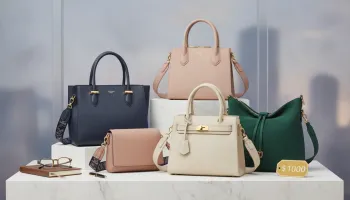
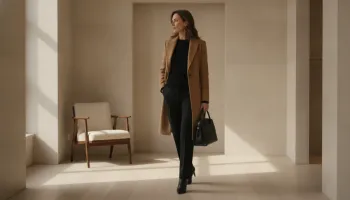
Use the rest of your wardrobe as a practical reference. If you wear tailored coats and simple separates, consider whether a handbag’s shape and colour complement those lines. If your clothing includes expressive prints or jewellery, ask whether the bag should provide a quieter counterpoint or another element of personality. There is no universal answer; the right balance depends on what makes you feel at ease and recognizably yourself. Think about scale in relation to both your frame and your daily needs. A compact bag may be elegant for an evening, while a larger shape can accommodate a full day’s essentials.


Handles and straps affect how a bag sits and how easily it moves from hand to shoulder. Consider the weight of what you normally carry, too. Practical details are part of good design, not a compromise in style. Colour can be approached with equal flexibility. A neutral tone may work across many outfits, while a vivid or patterned design can become a signature. Rather than buying an item solely because it is described as timeless, consider the colours and silhouettes you genuinely wear. The most enduring choice is often the one that feels personal and gets used. That principle applies whether you are choosing a new bag or considering a pre-owned one.


When is it sensible to seek another opinion?


Seek a relevant, independent opinion when the purchase is significant, the provenance is unclear, or conflicting details leave you uneasy. Ask what the reviewer can and cannot assess, what evidence they need, and whether their conclusion is a formal service or an informal view. A responsible opinion should describe its limits. Do not assume that a stylist or retailer is providing specialist authentication unless that service is explicitly offered. If the seller’s account changes, photographs do not match the actual item, or important details cannot be verified, pause. It can be more helpful to walk away than to collect a growing stack of reassuring but unrelated clues.


There will be other handbags, and choosing carefully protects both your budget and the pleasure of wearing what you buy. In person, the benefit of attentive boutique service is being able to discuss how a piece looks and feels in the context of your wardrobe. That conversation can guide a style decision, but it should not be confused with a certificate of origin. Keep those roles clear and you can enjoy expert styling while making an informed decision about a seller and an item.


Arrange a complimentary one-on-one styling appointment (https://emmaboutique.com/appointment)


Frequently asked questions


Can I authenticate a handbag from a photograph?


A photograph can help you notice visible inconsistencies and ask focused questions, but it cannot reliably establish authenticity on its own. Image quality, lighting, angle, and missing views all limit what you can assess. Use photographs as part of a broader review of the item, seller, and supporting information. When a purchase matters, request complete, current images and seek an appropriate opinion rather than relying on an online snapshot.


Does an authenticity card prove that a bag is genuine?


No single card, dust bag, box, receipt, or other insert should be treated as proof by itself. Such items may add context when their source and relationship to the specific handbag are clear, but they can be separated from a bag or replaced. Consider the full picture and the seller’s documentation. Ask how each document relates to the bag and what independent information supports the seller’s description.


Is imperfect stitching proof of a counterfeit?


No. Stitching that appears irregular may deserve a question, but it is not a stand-alone verdict. Handwork, wear, repairs, the model, and the production period can all affect what you see. Compare the exact design with reliable references and avoid damaging tests. If the detail still concerns you, ask the seller for an explanation and make your decision in light of all available information.


What if the seller says the handbag is authentic but offers no details?


Ask for clear current photographs, an explanation of provenance, and written terms that explain what happens if the item does not match its description. If the seller avoids reasonable questions or pressures you to act, consider declining. A confident purchase should not depend on urgency or a promise you cannot evaluate. You are entitled to wait until you understand what is being offered.


Version française : comment repérer un faux sac à main de créateur

Pour savoir comment repérer un faux sac à main de créateur, mieux vaut prendre son temps que chercher un détail prétendument décisif. Examinez l’ensemble : la construction, la cohérence des finitions, l’histoire du vendeur et la qualité des renseignements fournis. Aucun indice visuel ne peut établir à lui seul l’authenticité; si certains éléments ne concordent pas, il est raisonnable de suspendre votre décision.


Réservez un rendez-vous de stylisme personnalisé sans frais (https://emmaboutique.com/appointment)


Pour une femme qui apprécie autant le design que l’aspect pratique, un sac à main fait partie intégrante de la garde-robe. Il accompagne aussi bien une tenue soignée en journée qu’une sortie en ville. Ce guide propose des repères pour magasiner avec attention, mais ne constitue pas un service officiel d’authentification et ne certifie aucun sac en particulier. Il vous aidera plutôt à poser de meilleures questions, à observer sans abîmer le sac et à savoir quand demander des renseignements supplémentaires. L’objectif est de faire un choix réfléchi, pas de prétendre qu’un examen rapide peut éliminer toute incertitude.


Que révèle un examen visuel?


Un examen visuel peut faire ressortir des incohérences qui méritent des explications, mais il ne prouve pas qu’un article est authentique. Les marques peuvent modifier les matières, la quincaillerie, la doublure et la confection d’une saison, d’une collection ou d’une production à l’autre. Un sac authentique peut aussi être usé, réparé ou modifié par une personne qui l’a possédé auparavant. Il peut donc différer d’une photo récente. Commencez par observer le sac dans son ensemble : sa silhouette, ses proportions et la disposition de ses détails devraient former un tout cohérent.


Examinez ensuite les finitions et l’assemblage. Au lieu de chercher un signe unique qui trancherait la question, vérifiez si plusieurs éléments concordent. Une différence justifie une question, pas une conclusion. Comparez l’article à des renseignements fiables portant sur le même modèle et, si possible, la même saison. Une photo d’un sac semblable provenant d’une autre année n’est pas nécessairement une comparaison pertinente. Si vous ne pouvez pas confirmer que la référence représente exactement le même modèle, utilisez-la uniquement comme indication générale et gardez votre jugement ouvert.


Comment examiner la confection?


Observez d’abord le travail visible : les coutures, les tranches et la rencontre des panneaux. Des points irréguliers, lâches ou incohérents peuvent justifier une question. Cependant, le travail manuel peut comporter de légères variations, et un sac usagé peut présenter une couture fatiguée ou réparée. Ne tirez pas sur une couture et ne pliez pas le sac de force. Regardez sa forme sans la contraindre. Notez si le sac se tient ou s’assouplit comme le laisse entendre son design et si ses panneaux semblent équilibrés. Un rangement inadéquat peut l’avoir déformé; un modèle souple peut naturellement avoir une allure décontractée.


Les coins, les poignées et les tranches révèlent souvent l’usage. Des éraflures, des coins assouplis, des poignées foncées et de petites marques peuvent être compatibles avec un usage normal. Ces signes renseignent davantage sur l’état du sac que sur son authenticité. Vérifiez si l’état général correspond à la description du vendeur et aux photos. Si l’annonce parle d’un article impeccable alors que l’usure est évidente, demandez des précisions. Examinez calmement la doublure et l’intérieur. Des coutures lâches ou des détails différents de références fiables du même modèle peuvent mériter une question, mais la couleur de la doublure et la disposition des poches ne sont pas des règles universelles. Les éditions varient et les photos modifient parfois les couleurs.


Que révèlent vraiment la quincaillerie, les logos et les étiquettes?


La quincaillerie mérite attention, mais son poids n’est pas un test. Une fermeture éclair, un fermoir, une chaîne ou une attache doit fonctionner comme prévu sans qu’on ait à la forcer. Observez la finition et les points d’attache. Sur un sac usagé, des égratignures ou une patine peuvent simplement témoigner de son usage. Une finition impeccable ne prouve pas non plus l’authenticité. Vérifiez la lisibilité et l’alignement des logos, des lettres et des étiquettes. Regardez l’espacement, l’emplacement et le rapport entre le marquage et le design du sac. Une photo trop floue ou mal éclairée ne permet pas d’évaluer ces détails correctement.

Demandez au vendeur une image rapprochée, sans filtre, plutôt que de vous fier à une photo recadrée. Une police, un timbre ou un logo familier ne s’applique pas nécessairement à tous les articles d’une maison de mode. Les références de série, codes, cartes d’authenticité et autres papiers doivent aussi être replacés dans leur contexte. Leur format et leur usage peuvent varier selon la marque, le modèle et l’époque; leur présence ne règle donc pas la question à elle seule. Une boîte ou un sac de protection peut être remplacé ou séparé du sac. Ces éléments peuvent ajouter des renseignements, mais ne constituent pas un raccourci vers la certitude.


Comment évaluer les matières et les odeurs sans risque?


Le toucher aide à comprendre l’état et le caractère d’un sac, mais demeure subjectif. Le cuir, le textile, la toile enduite et d’autres matières varient selon leur finition, leur âge, le climat et leur entretien. Une matière qui vous semble inhabituelle n’est pas automatiquement suspecte. Comparez-la aux renseignements précis et fiables du modèle, plutôt qu’à une idée générale de ce qu’une matière de luxe devrait ressentir. L’odeur est un indice particulièrement peu fiable. Le rangement, le parfum, la fumée, les produits nettoyants et l’environnement peuvent modifier l’odeur d’un objet. Une forte odeur chimique peut justifier une question sur le rangement ou le traitement du sac, mais ne permet pas d’identifier une contrefaçon.


N’utilisez pas de nettoyant, de solvant ou de revitalisant comme test : vous pourriez altérer la finition. Si la matière joue un rôle important dans votre décision, demandez au vendeur de préciser ce qu’il sait et de fournir des photos rapprochées de la surface, des tranches et de l’intérieur. Méfiez-vous des affirmations catégoriques qui ne s’appuient pas sur des renseignements pertinents. Pour découvrir des créations actuelles, consultez la sélection de marques et de créateurs (https://emmaboutique.com/our-brands) ou les sacs à main (https://emmaboutique.com/products/Handbag-c170758256). Ces pages présentent des styles; elles ne certifient pas un article vendu par une autre personne.


Quelles questions poser au vendeur avant d’acheter?


Un vendeur transparent devrait pouvoir expliquer la provenance du sac, depuis combien de temps il le possède ou l’a en inventaire, et quels documents l’accompagnent. La réponse peut être brève, mais elle doit être claire et cohérente. Demandez si le sac est neuf ou usagé, s’il a été réparé ou modifié et quels détails d’état ne sont pas visibles dans l’annonce. Demandez des photos qui montrent l’article réel : l’avant, l’arrière, le fond, les côtés, les poignées, les coins, l’intérieur, l’étiquette, la quincaillerie et toute zone usée. Pour un achat en ligne, demandez des photos récentes plutôt que des images qui pourraient avoir été réutilisées.


Si le vendeur ne peut fournir toutes les vues, il peut avoir une raison valable; vous devez toutefois savoir ce que vous ne pouvez pas examiner. Lisez les conditions avant de payer. Assurez-vous de comprendre la politique de retour, les recours si le sac diffère sensiblement de sa description et la possibilité d’une évaluation indépendante. Ne vous fiez pas à une promesse informelle qui n’apparaît pas dans les conditions écrites. Si le vendeur vous presse de payer rapidement, vous demande de quitter une plateforme protégée ou évite les questions habituelles, vous pouvez choisir de ne pas poursuivre. Un processus équitable vous laisse le temps d’examiner l’information.


Le prix peut inciter à poser d’autres questions, mais il ne permet pas à lui seul d’authentifier un sac. Un prix bien inférieur à vos attentes peut s’expliquer par l’état, l’âge, une vente privée ou d’autres circonstances; il peut aussi signaler un risque. Sans renseignements récents propres à l’article, une comparaison générale ne révèle ni la valeur ni l’authenticité d’un sac particulier. Évaluez l’ensemble de l’offre : état, provenance, conditions et recours. Méfiez-vous aussi d’un prix élevé présenté comme preuve de qualité ou d’origine. Le montant demandé et les éléments qui le justifient sont deux sujets distincts.


Pourquoi les photos en ligne peuvent-elles induire en erreur?

L’éclairage, les réglages de l’appareil, les filtres, la compression et la couleur de l’écran changent l’apparence des matières et des finis. Un intérieur sombre peut dissimuler l’usure; une lumière vive peut modifier l’aspect de la quincaillerie polie. Une photo mise en scène peut montrer le meilleur angle sans révéler le fond ou l’intérieur. Une série d’images nettes et cohérentes est donc plus utile qu’une seule belle photo. Demandez des images prises dans un éclairage comparable, qui montrent à la fois le sac entier et ses détails rapprochés.


Une recherche d’image inversée ou des discussions en ligne peuvent parfois montrer qu’une photo apparaît ailleurs, mais ne permettent pas d’authentifier un sac individuel. Un vendeur légitime peut joindre une image de référence aux photos de l’article; si une image semble copiée, demandez quelles photos représentent le sac à vendre. La comparaison en ligne est un élément de recherche, pas un substitut à l’examen du sac ou à l’avis d’une source pertinente. Les résultats peuvent juxtaposer des années ou versions différentes. Une différence dans une bandoulière, une poche, un marquage ou une doublure peut provenir d’une évolution du design. Essayez d’identifier le modèle et l’époque précis avant de comparer. Si cette information manque, gardez votre conclusion provisoire.


Quels gestes faut-il éviter pendant l’examen?


Ne grattez pas, ne tirez pas, ne trempez pas et ne chauffez aucune partie du sac. N’appliquez aucun produit chimique. Ces gestes peuvent l’endommager sans donner une réponse fiable. N’ouvrez pas les coutures et ne retirez pas les étiquettes. Un examen non destructif protège le sac et vous aide à vous concentrer sur des éléments que le vendeur peut expliquer. Ne vous fiez pas aux listes virales qui affirment qu’un nombre de points, une odeur, un timbre ou un accessoire prouve l’authenticité. Une règle simplifiée peut ignorer les différences entre modèles, années et méthodes de fabrication.


Voyez ces affirmations comme des pistes à vérifier, non comme des conclusions. La même prudence s’applique aux outils d’image automatisés et aux avis catégoriques fondés sur quelques photos. Enfin, ne laissez pas l’attrait d’une couleur rare ou d’une offre limitée remplacer des questions raisonnables. Si vous ne pouvez pas examiner suffisamment l’article ou si le vendeur refuse de fournir des renseignements de base, vous n’êtes pas tenue d’acheter. Attendre est souvent préférable à devoir gérer l’incertitude après le paiement. Vous pouvez prendre le temps de revoir vos questions et de décider si les réponses vous conviennent.


Comment prendre une décision d’achat éclairée?


Définissez vos priorités avant de comparer les sacs. Pensez à la taille que vous utilisez, à ce que vous transportez, à vos déplacements quotidiens et à votre préférence pour une forme structurée ou souple. Un beau sac qui ne convient pas à votre quotidien risque de rester rangé. Le style et l’utilité comptent autant que le nom sur l’étiquette. Ensuite, distinguez ce que vous savez de ce qu’on vous a dit. Notez la description du vendeur, les détails visibles sur les photos, les renseignements appuyés par des références pertinentes et les questions sans réponse. Cette distinction empêche une histoire séduisante de tenir lieu de preuve.


Si l’information reste incomplète, demandez-vous si cette incertitude vous convient ou si vous préférez renoncer. Pour un achat de garde-robe actuel, parcourez les vêtements et accessoires (https://emmaboutique.com/products/) afin de réfléchir à la façon dont un sac peut s’accorder aux pièces que vous aimez déjà. Emma Boutique est une boutique indépendante de la région de Montréal, fondée en 2005, qui propose une sélection de prêt-à-porter et d’accessoires contemporains européens et nord-américains. Son regard réunit la simplicité et le sens pratique scandinaves à une élégance parisienne soignée. Un échange individuel peut vous aider à réfléchir aux proportions, aux couleurs et à votre style, sans transformer une vérification visuelle en prétention d’authentification.

Pour en savoir davantage sur la boutique, consultez À propos d’Emma Boutique (https://emmaboutique.com/about-us). La boutique se trouve au 1350, avenue Greene, à Westmount. Vous pouvez aussi découvrir la collection en ligne (https://emmaboutique.com/) et les accessoires (https://emmaboutique.com/products/Accessories-c170756495) avant de décider ce que vous souhaitez essayer ou discuter. Les collections actuelles peuvent inspirer une façon d’intégrer un sac à la garde-robe; un échange personnalisé aide à réfléchir aux proportions, aux couleurs et à l’usage. Ces conseils de style restent distincts d’une affirmation sur l’histoire d’un article.


Comment intégrer un sac à votre garde-robe?


Votre garde-robe constitue un repère pratique. Si vous portez des manteaux ajustés et des vêtements aux lignes simples, demandez-vous si la forme et la couleur du sac s’accordent à ces silhouettes. Si vos tenues comportent des imprimés expressifs ou des bijoux remarqués, le sac peut offrir un contraste plus discret ou ajouter une autre touche de personnalité. Il n’y a pas de réponse universelle : l’équilibre idéal dépend de ce qui vous ressemble et vous met à l’aise. Pensez aux proportions par rapport à votre silhouette et à vos besoins quotidiens. Un petit sac peut convenir à une soirée, tandis qu’un modèle plus grand accueille les essentiels d’une journée complète.


Les poignées et les bandoulières influent sur la façon dont le sac se porte et passe de la main à l’épaule. Tenez également compte du poids de ce que vous transportez habituellement. Les détails pratiques font partie d’un bon design; ils ne nuisent pas au style. La couleur offre la même liberté. Un ton neutre peut accompagner de nombreuses tenues, tandis qu’une couleur vive ou un motif peut devenir votre signature. Plutôt que d’acheter un article uniquement parce qu’on le qualifie d’intemporel, pensez aux couleurs et aux silhouettes que vous portez vraiment. Le choix le plus durable est souvent celui qui vous ressemble et que vous utilisez, qu’il s’agisse d’un sac neuf ou usagé.


Quand demander un autre avis?


Sollicitez un avis indépendant et pertinent si l’achat représente un investissement important, si la provenance est floue ou si des détails contradictoires vous inquiètent. Demandez ce que la personne peut évaluer, quels éléments lui sont nécessaires et si sa conclusion correspond à un service officiel ou à une opinion informelle. Un avis responsable en précise les limites. Ne présumez pas qu’une styliste ou une boutique offre une expertise d’authentification, à moins que ce service soit explicitement proposé. Si le récit du vendeur change, si les photos ne correspondent pas à l’article ou si des détails importants ne peuvent être vérifiés, prenez une pause.


Il est parfois plus utile de renoncer que d’accumuler des signes rassurants mais sans rapport entre eux. D’autres sacs se présenteront; un choix prudent protège votre budget et le plaisir de porter votre achat. En boutique, un service attentif permet de discuter de l’apparence et du toucher d’une pièce dans le contexte de votre garde-robe. Cette conversation peut guider un choix de style, mais elle ne constitue pas un certificat de provenance. En gardant ces rôles distincts, vous pouvez profiter de conseils personnalisés tout en évaluant soigneusement l’article et le vendeur.


Planifiez un rendez-vous de stylisme personnalisé sans frais (https://emmaboutique.com/appointment)


Foire aux questions


Peut-on authentifier un sac à partir d’une photo?


Une photo peut aider à remarquer des incohérences visibles et à poser des questions précises, mais elle ne permet pas à elle seule d’établir l’authenticité de façon fiable. La qualité de l’image, l’éclairage, l’angle et les vues manquantes limitent l’examen. Utilisez les photos dans le cadre d’une évaluation plus large du sac, du vendeur et des renseignements disponibles. Pour un achat important, demandez des images complètes et récentes et cherchez un avis approprié plutôt que de vous fier à un simple instantané en ligne.


Une carte d’authenticité prouve-t-elle qu’un sac est authentique?


Non. Une carte, un sac de protection, une boîte, une facture ou un autre document ne constitue pas à lui seul une preuve. Ces éléments peuvent ajouter du contexte si leur provenance et leur lien avec le sac sont clairs, mais ils peuvent être séparés ou remplacés. Considérez l’ensemble des renseignements et la documentation du vendeur. Demandez en quoi chaque document se rapporte au sac et quels renseignements indépendants appuient la description.


Des coutures imparfaites prouvent-elles qu’il s’agit d’une contrefaçon?

Non. Une couture qui semble irrégulière peut justifier une question, mais ne suffit pas à conclure. Le travail manuel, l’usure, les réparations, le modèle et la période de production influent sur ce que vous observez. Comparez le design précis à des références fiables et évitez les tests qui pourraient l’abîmer. Si le détail vous préoccupe encore, demandez une explication et prenez votre décision à partir de l’ensemble des renseignements.


Que faire si le vendeur affirme que le sac est authentique sans fournir de détails?


Demandez des photos récentes et nettes, une explication de la provenance et des conditions écrites qui précisent quoi faire si le sac ne correspond pas à sa description. Si le vendeur évite les questions raisonnables ou vous presse d’agir, envisagez de renoncer. Un achat réfléchi ne devrait pas dépendre de l’urgence ni d’une promesse impossible à évaluer. Vous pouvez attendre de comprendre exactement ce qui vous est proposé.


Un regard attentif aide à choisir avec discernement, mais la meilleure décision reste celle qui tient compte de l’ensemble des faits, de votre style et de votre confiance envers le vendeur.

Let’s create what matters — together.

Emma Boutique

More Posts

How to Style a Printed Skirt with Modern EaseHow to Style a Printed Skirt with Modern Ease
How to Style a Printed Skirt with Modern Ease

Learning how to style a printed skirt is less about following a formula than finding balance: let the pattern express your point of view, then choose shapes and colours that make the whole outfit feel intentional. Whether your skirt is graphic, floral, abstract, or softly patterned, it can work beautifully for an ordinary day as well as a more polished occasion.

Luxury Handbags for Women Under $1000: A Buying GuideLuxury Handbags for Women Under $1000: A Buying Guide
Luxury Handbags for Women Under $1000: A Buying Guide

A beautiful handbag should work with your wardrobe, your routine, and your budget. If you are searching for luxury handbags for women under $1000, start with how you will carry it and what it needs to hold.

Accessible Luxury Brands: A Thoughtful GuideAccessible Luxury Brands: A Thoughtful Guide
Accessible Luxury Brands: A Thoughtful Guide

Judge accessible luxury brands by fabric, wear, and fit. A Westmount guide to pieces worth keeping, with a complimentary styling appointment.

How to Style a Poncho with EaseHow to Style a Poncho with Ease
How to Style a Poncho with Ease

A poncho can bring ease, movement and a distinctive line to everyday dressing. The question of how to style a poncho is less about following a single formula than about creating balance: let the fabric fall freely, then give the rest of the outfit a clear shape. In Montreal, where a day may move between brisk streets, warm interiors and changing weather, thoughtful layers make that balance especially useful.

Ethical Luxury Knitwear: What to Look ForEthical Luxury Knitwear: What to Look For
Ethical Luxury Knitwear: What to Look For

A guide to assessing ethical luxury knitwear through material transparency, workmanship, care, and cost per wear, written for women in Montreal and Westmount.

Are Designer Handbags Worth It?Are Designer Handbags Worth It?
Are Designer Handbags Worth It?

Are designer handbags worth it? A Montreal guide to wear, leather, repair, and the bags worth carrying from Emma Boutique.

<p>Luxury Women's Knitwear for Cold Days</p><p>Luxury Women's Knitwear for Cold Days</p>

Luxury Women's Knitwear for Cold Days

Luxury women's knitwear for Montreal cold: gauge, fibre and shape, with in-stock pieces from Emma Boutique in Westmount.

Luxury Fashion Designers: A Signature WardrobeLuxury Fashion Designers: A Signature Wardrobe
Luxury Fashion Designers: A Signature Wardrobe

Luxury fashion designers can shape a signature wardrobe. See how Emma Boutique reads point of view, proportion, and pieces in Westmount.

How to Style a Printed Silk ScarfHow to Style a Printed Silk Scarf
How to Style a Printed Silk Scarf

Learn how to style a printed silk scarf by fold, colour and scale, with current Etro and Dorothee Schumacher silk pieces.