
Are Designer Handbags Worth It?
Are designer handbags worth it? A Montreal guide to wear, leather, repair, and the bags worth carrying from Emma Boutique.
Choosing ethical luxury knitwear is less about finding a perfect label and more about asking clear questions before you bring a piece into your wardrobe. For women in Montreal and Westmount, a considered knit should feel beautiful, work with real daily life, and earn its place through quality and repeated wear. The word ethical can mean different things, so it helps to look for specific information rather than rely on a general impression.
Book a complimentary styling appointment
What does ethical luxury knitwear mean?
There is no single detail that proves a garment is ethical. The idea can include how fibres are sourced, how makers are treated, how a garment is produced, what information a brand shares, and how long the piece is likely to remain useful. A high price or a refined finish does not, by itself, answer those questions.
A thoughtful shopper can separate what is known from what is assumed. Look for concrete information from the brand about fibre content, origin, production, and care. If a product page provides only a broad description, treat that as a limit on what you can conclude, rather than filling the gap with a reassuring story. Ethical purchasing is an exercise in informed choice, not a demand that every garment meet an imagined standard of perfection.
Which material details should you examine?
Begin with the fibre composition. A precise composition statement is more useful than a vague phrase such as “premium knit.” Check whether the garment is made from one fibre or a blend. Then consider what that combination means for feel, warmth, structure, and care. Do not assume that a natural fibre is automatically lower impact or that a blended fibre is automatically a poor choice. The available facts matter, and different fibres can serve different purposes.
Questions to ask about knit materials.
Detail.What to look for.What not to assume.
Composition.Read the exact fibre or blend on the current listing.Do not treat a phrase such as premium knit as a fibre name.
Origin and handling.Note any stated source or production detail.Do not guess a detail that the listing omits.
Care.Read the listed care instructions before you buy.Do not assume every natural fibre is easy to maintain.
Ask whether the brand provides information about where the fibre comes from and how the material is handled. If the information is not available on the listing, a stylist or retailer may be able to direct you to verified product details. A careful answer should distinguish what is confirmed from what is not known. It is reasonable to ask; it is also reasonable to decide that you need more information before purchasing.
Cashmere is valued for its soft hand and warmth, but the fibre name alone cannot tell you everything about a particular garment. Consider the composition, knit construction, intended use, and instructions for care. Emma Boutique’s curated designer portfolio includes cashmere-focused names such as Repeat Cashmere, BARRIE, and &Daughter. Those brand references are a starting point for exploration, not a substitute for checking the details of an individual garment.
Before buying, read the exact composition on the current product listing and compare it with your needs. If you have sensitive skin, consider how the knit feels against the neck and wrists. If you need warmth for winter commutes, evaluate the garment in layers. If easy care is essential, read the care instructions first. The right material is the one whose verified properties fit your life and whose care you are prepared to provide.
How can you judge quality beyond softness?
Softness is an immediate pleasure, but it is only one part of quality. Look at the shape of the garment, the evenness of the knit, the finish at cuffs and hems, and how the seams sit. Check whether buttons, fastenings, or other details feel secure. Notice whether the piece holds its shape and whether the fit feels comfortable without constant adjustment.
Consider the construction in relation to how you intend to wear the knit. A close-fitting layer may need enough ease to sit smoothly under a jacket. A relaxed cardigan should fall as you like when worn open and should still feel balanced when fastened. The weight and drape can change how a knit works with skirts, trousers, or dresses. These are practical observations, not a promise that a garment will never change with wear.
Inspect the care label before you commit. A delicate knit that requires careful handling may be an excellent choice if you enjoy maintaining special pieces. It may be less suitable if you need a garment that can be washed quickly and frequently. Ask how to store it, how to respond to pilling, and what care method is recommended. Follow the garment’s own instructions rather than assuming all knits can be treated alike.
Quality also includes whether a piece works with what you already own. A beautiful sweater that only suits one occasion can have a different place in your wardrobe from a layer that works with several outfits. Think through three realistic ways you would wear it: at work, on a relaxed day, and for an evening or gathering. If it integrates with existing pieces and still feels distinctive, it is more likely to be used regularly.
What questions help you buy with confidence?
Ask for the product facts first: What is the exact fibre composition? What care does the label recommend? Is there information about the material’s origin or production? Which details are confirmed by the brand, and which are not available? Clear answers are more valuable than broad assurances. If information cannot be verified, treat it as unknown and make your choice accordingly.
Then ask how the garment fits into your wardrobe. What will you wear it with? Is it filling a gap, replacing a frequently worn item, or adding a new colour or texture? Does the cut suit your preferred proportions? Can you layer it comfortably? Thoughtful questions make a purchase more personal and help you avoid choosing an item simply because it is beautiful on a hanger.
At Emma Boutique, the focus is on personal curation and one-on-one styling, rather than an impersonal recommendation. A complimentary appointment can be a useful setting to discuss fit, colour, layering, and how a knit relates to the rest of your wardrobe. If you are exploring designers, the curated brand portfolio offers a view of the labels represented. Product information can change, so review the current listing for the exact piece you are considering.
For a more focused search, browse the boutique’s ready-to-wear collection or explore the wider product selection. Use these pages to identify styles that interest you, then confirm their current specifications and availability. A category or brand page is useful for discovery, but it should not be treated as proof of a particular garment’s fibre origin, production conditions, or care requirements.
How do you build a knitwear wardrobe that gets worn?
Start with the situations that shape your week. A polished layer for work may need to sit neatly under a coat and coordinate with tailored trousers. A weekend knit may call for softer proportions and a comfortable fit. A travel layer may need to combine easily with several outfits. Naming the real use helps you distinguish a versatile choice from an impulse purchase.
Think in terms of function before colour. Do you need warmth, a light layer, a structured silhouette, or a soft counterpoint to tailored clothing? Once the role is clear, choose a colour and texture that support it. A restrained neutral can connect many pieces, while a saturated shade or an expressive knit can become the focus of an outfit. Neither approach is inherently more responsible; the useful question is which one you will reach for.
Try a prospective knit with the garments you actually wear. A fine layer may work beneath a blazer, while a more substantial shape might be better over a simple top. Check sleeve length and hem placement with your usual trousers or skirt. See how the neckline works with a scarf or necklace you own. A small amount of deliberate testing can reveal whether a garment will be easy to style beyond the fitting room.
How should Montreal weather shape your choice?
Montreal’s changing seasons make layering an important part of knitwear planning. Think about the temperatures and settings in which you will wear a piece, from a heated interior to a cold walk outdoors. A knit that feels ideal indoors may need a coat or another layer outside. Consider whether it can be worn comfortably under the outerwear you already own and whether the silhouette leaves room for a blouse or lightweight base layer.
For transitional weather, a lighter knit can be useful over a shirt or dress and beneath a jacket. In colder conditions, a warmer layer can be paired with outerwear and accessories. The right combination depends on the garment’s actual weight and construction, so assess the piece in person when possible. Do not infer warmth from a brand name or a luxurious appearance alone.
Care and storage matter after the purchase. Follow the care label, allow a knit to rest between wears when appropriate, and store it in a way that supports its shape. Fold heavier knits rather than leaving them on a hanger if the garment’s construction could stretch. Keep pieces clean and protected between seasons. These simple habits support continued wear, though they cannot guarantee that a garment will remain unchanged indefinitely.
When a knit needs attention, use the care guidance provided for that specific piece. Avoid aggressive treatment based on generic advice from another garment. If you are unsure about cleaning or repairing a treasured item, seek a qualified professional who can assess the fabric and construction. Maintenance is part of the relationship with a garment, not a test of whether the original purchase was perfect.
How do you weigh cost, longevity, and value?
A higher price does not automatically make a knit more ethical, and a lower price does not reveal the full story of how it was made. Instead, consider the evidence available, the construction you can assess, the care required, and your likely pattern of use. Divide the cost in your own mind by the number of wears you realistically expect, but keep that calculation personal rather than treating it as a guarantee of value.
Compare potential purchases by purpose. One piece may be a dependable layer for frequent use; another may be a special design that brings character to a wardrobe. They do not need to perform the same role. The better choice depends on what you already own, how the piece fits, and whether you can care for it. A useful comparison is about suitability, not a claim that one designer or fibre is universally superior.
Emma Boutique is an independent Montreal-area boutique founded in 2005, with a curated selection of contemporary European and North American ready-to-wear and accessories. Its approach brings Scandinavian simplicity and practicality together with polished Parisian sensibility. To learn more about the boutique’s point of view and personal service, visit About Emma Boutique. For help making a knit work with your individual style, a one-on-one conversation can turn a general search into a considered wardrobe decision.
Arrange your complimentary personal styling appointment
Frequently asked questions
Does a luxury price mean a knitwear piece is ethical?
No. Price alone cannot establish fibre origin, production conditions, or the quality of a brand’s practices. Look for specific information about the garment and distinguish verified details from assumptions.
Is cashmere always the most responsible choice?
No fibre is automatically the best choice in every situation. Consider the exact composition, the garment’s construction, the care instructions, and whether you will wear it regularly. The product-specific details matter more than the fibre name alone.
What should I check before buying a knit online?
Read the exact composition and care details, review the fit information provided, and consider how the garment will work with your existing wardrobe. If an important fact is missing, ask whether it can be confirmed before deciding.
Can a stylist help me choose a knit I will wear more often?
A personal styling conversation can help you consider fit, colour, layering, and how a piece relates to clothing you already wear. Emma Boutique offers complimentary, personalized styling appointments in its Westmount boutique.
Version française : comment choisir un tricot de luxe plus éthique
Choisir un tricot de luxe plus éthique ne consiste pas seulement à repérer une étiquette idéale. Il s’agit plutôt de poser des questions précises avant d’ajouter une pièce à sa garde-robe. À Montréal et à Westmount, un tricot bien choisi doit être agréable, adapté à la vie quotidienne et porté régulièrement. Le mot « éthique » peut avoir plusieurs sens; mieux vaut rechercher des renseignements concrets que se fier à une impression générale.
Que signifie un tricot de luxe éthique?
Aucun détail à lui seul ne prouve qu’un vêtement est éthique. Cette notion peut concerner la provenance des fibres, les conditions de fabrication, le traitement des personnes qui confectionnent le vêtement, la transparence de la marque et la durée pendant laquelle la pièce restera utile. Un prix élevé ou une finition raffinée ne répond pas, à lui seul, à ces questions.
Une acheteuse attentive peut distinguer ce qui est confirmé de ce qui est supposé. Recherchez des renseignements précis sur la composition, la provenance et la fabrication. Si la fiche produit ne donne qu’une description générale, considérez cette absence comme une limite à ce qu’on peut conclure. Il vaut mieux ne pas combler les lacunes avec une histoire rassurante. Acheter de façon réfléchie, c’est choisir avec les renseignements disponibles, et non exiger une perfection imaginaire.
Quels détails de matière faut-il examiner?
Commencez par la composition exacte des fibres. Une indication précise est plus utile qu’une expression vague comme « tricot haut de gamme ». Vérifiez si le vêtement est composé d’une seule fibre ou d’un mélange, puis réfléchissez à ce que cela signifie pour le toucher, la chaleur, la tenue et l’entretien. Une fibre naturelle n’est pas automatiquement le choix le plus responsable, et un mélange n’est pas forcément un mauvais choix. Les renseignements disponibles et l’usage prévu comptent.
Vérifiez si la marque précise la provenance de la fibre et le traitement de la matière. Si ces renseignements ne figurent pas sur la fiche, demandez si le détaillant peut vous orienter vers des détails vérifiés. Une réponse soigneuse distingue les faits confirmés des informations inconnues. Il est raisonnable de poser la question et tout aussi raisonnable d’attendre avant d’acheter si un renseignement essentiel vous manque.
Le cachemire est apprécié pour son toucher doux et sa chaleur, mais le nom de la fibre ne révèle pas tout sur un vêtement particulier. Considérez sa composition, sa maille, son usage prévu et les instructions d’entretien. La sélection de créateurs d’Emma Boutique comprend des marques axées sur le cachemire, comme Repeat Cashmere, BARRIE et &Daughter. Ces noms peuvent guider votre exploration, mais ne remplacent pas la vérification des détails de chaque vêtement.
Avant d’acheter, lisez la composition exacte de la fiche produit actuelle et comparez-la à vos besoins. Si votre peau est sensible, prêtez attention au contact du tricot avec le cou et les poignets. Si vous cherchez une couche chaude pour les déplacements hivernaux, évaluez le vêtement avec les autres couches que vous portez. Si un entretien facile est essentiel, lisez d’abord les instructions. La bonne matière est celle dont les propriétés vérifiées conviennent à votre vie et dont vous êtes prête à prendre soin.
Comment évaluer la qualité au-delà de la douceur?
La douceur est agréable, mais elle ne représente qu’un aspect de la qualité. Observez la forme du vêtement, la régularité de la maille, la finition des poignets et de l’ourlet, ainsi que la position des coutures. Vérifiez que les boutons et les fermetures semblent solides. Voyez si le vêtement conserve sa forme et s’il reste confortable sans devoir constamment le replacer.
Évaluez la confection selon la façon dont vous comptez porter le tricot. Une couche près du corps doit pouvoir se glisser sous un veston sans gêne. Un cardigan ample doit tomber comme vous le souhaitez ouvert et rester équilibré lorsqu’il est fermé. Le poids et le tombé influencent la façon dont il s’agence avec une jupe, un pantalon ou une robe. Ce sont des observations pratiques, et non une promesse que le vêtement ne changera jamais à l’usage.
Lisez l’étiquette d’entretien avant de vous engager. Un tricot délicat qui demande des soins attentifs peut être parfait si vous aimez prendre soin de vos pièces spéciales. Il conviendra peut-être moins si vous cherchez un vêtement à laver rapidement et fréquemment. Demandez comment le ranger, comment traiter le boulochage et quelle méthode d’entretien est recommandée. Suivez les instructions propres au vêtement plutôt que de supposer que tous les tricots s’entretiennent de la même façon.
La qualité dépend aussi de la façon dont la pièce s’intègre à votre garde-robe. Un beau chandail réservé à une seule occasion n’aura pas le même rôle qu’une couche portée avec plusieurs tenues. Imaginez trois façons réalistes de le porter : au travail, lors d’une journée décontractée et pour une sortie. S’il s’agence avec des vêtements déjà présents tout en gardant sa personnalité, il a davantage de chances d’être porté régulièrement.
Quelles questions poser avant d’acheter?
Commencez par les faits sur le produit : quelle est la composition exacte? Quelles consignes d’entretien figurent sur l’étiquette? La marque communique-t-elle des renseignements sur la provenance des matières ou la fabrication? Quels détails sont confirmés, et lesquels ne sont pas disponibles? Des réponses précises valent mieux que des assurances générales. Si un renseignement ne peut être vérifié, traitez-le comme inconnu et décidez en conséquence.
Demandez-vous ensuite comment le vêtement s’insère dans votre garde-robe. Avec quoi le porterez-vous? Répond-il à un manque, remplace-t-il une pièce souvent portée ou apporte-t-il une nouvelle couleur ou texture? Sa coupe convient-elle aux proportions que vous aimez? Pouvez-vous le superposer confortablement? Ces questions rendent le choix plus personnel et évitent d’acheter une pièce uniquement parce qu’elle est belle sur un cintre.
Chez Emma Boutique, l’approche privilégie la curation personnelle et les conseils individuels plutôt qu’une recommandation impersonnelle. Un rendez-vous de stylisme gratuit permet de parler de coupe, de couleur, de superposition et de la place d’un tricot dans votre garde-robe. Pour découvrir les créateurs proposés, consultez la sélection de marques. Les renseignements sur les produits peuvent changer; vérifiez donc la fiche actuelle de la pièce qui vous intéresse.
Pour préciser votre recherche, explorez la collection de prêt-à-porter ou parcourez la sélection de produits. Ces pages peuvent vous aider à repérer des styles, puis à confirmer leur composition, leur disponibilité et leurs détails actuels. Une page de catégorie ou de marque sert à la découverte; elle ne prouve pas la provenance d’une fibre, les conditions de fabrication ni les consignes d’entretien d’un vêtement précis.
Comment bâtir une garde-robe de tricots que vous porterez?
Commencez par les moments qui composent votre semaine. Une couche soignée pour le travail doit peut-être se glisser sous un manteau et s’harmoniser avec un pantalon ajusté. Un tricot de fin de semaine peut demander une coupe plus souple et confortable. Une pièce de voyage doit peut-être s’agencer facilement avec plusieurs tenues. Définir son usage réel aide à distinguer un choix polyvalent d’un achat impulsif.
Pensez d’abord à la fonction, puis à la couleur. Avez-vous besoin de chaleur, d’une couche légère, d’une silhouette structurée ou d’un contraste doux avec des vêtements ajustés? Lorsque ce rôle est clair, choisissez une couleur et une texture qui le servent. Un ton neutre peut relier plusieurs pièces; une couleur vive ou une maille expressive peut devenir le point central d’une tenue. Aucune option n’est automatiquement plus responsable : choisissez celle que vous porterez.
Essayez le tricot avec des vêtements que vous portez réellement. Une couche fine peut se glisser sous un veston, tandis qu’une coupe plus ample peut convenir par-dessus un haut simple. Vérifiez la longueur des manches et de l’ourlet avec votre pantalon ou votre jupe habituels. Voyez si l’encolure s’agence avec une écharpe ou un collier que vous possédez. Quelques essais réfléchis indiquent si la pièce sera facile à porter au-delà de la cabine d’essayage.
Comment le climat montréalais influence-t-il votre choix?
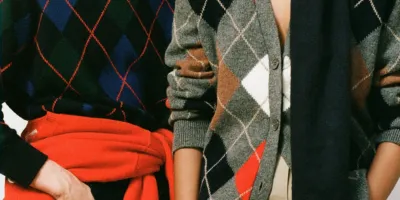
A guide to assessing ethical luxury knitwear through material transparency, workmanship, care, and cost per wear, written for women in Montreal and Westmount.
Les saisons changeantes de Montréal rendent la superposition importante. Pensez aux températures et aux endroits où vous porterez le vêtement, entre un intérieur chauffé et une promenade au froid. Un tricot agréable à l’intérieur peut nécessiter un manteau ou une autre couche dehors. Vérifiez s’il se porte confortablement sous le manteau que vous possédez et si sa coupe laisse de la place pour un chemisier ou une couche de base légère.
Pensez aussi à la saison.
À la mi-saison, un tricot léger peut se porter sur une chemise ou une robe et sous une veste. Par temps froid, une couche plus chaude peut s’associer à un manteau et à des accessoires. La combinaison idéale dépend du poids réel et de la confection; évaluez la pièce en personne lorsque possible. Ne déduisez pas son niveau de chaleur du nom d’une marque ou de son apparence luxueuse.
Après l’achat, l’entretien et le rangement comptent. Suivez l’étiquette, laissez reposer le tricot entre les utilisations lorsque c’est approprié et rangez-le de façon à préserver sa forme. Pliez les tricots plus lourds plutôt que de les laisser sur un cintre si leur confection risque de s’étirer. Gardez les pièces propres et protégées hors saison. Ces habitudes favorisent un usage prolongé, sans garantir qu’un vêtement restera identique indéfiniment.
Si un tricot a besoin de soins particuliers, suivez les recommandations propres à cette pièce. Évitez les traitements énergiques fondés sur des conseils génériques destinés à un autre vêtement. En cas de doute sur le nettoyage ou la réparation d’une pièce précieuse, consultez un professionnel qualifié qui pourra évaluer la matière et la confection. L’entretien fait partie de la relation avec le vêtement; il ne prouve pas que l’achat initial était parfait.
Comment mettre en balance coût, durée et valeur?
Un prix plus élevé ne rend pas automatiquement un tricot plus éthique, et un prix plus bas ne révèle pas toute son histoire. Considérez plutôt les renseignements disponibles, la confection que vous pouvez évaluer, l’entretien requis et la fréquence à laquelle vous pensez le porter. Vous pouvez réfléchir au coût par utilisation, en fonction de votre propre usage, sans transformer ce calcul en garantie de valeur.
Comparez les pièces selon leur rôle. L’une peut être une couche fiable portée souvent; une autre, un modèle particulier qui apporte du caractère à une garde-robe. Elles n’ont pas à remplir la même fonction. Le meilleur choix dépend de ce que vous possédez, de la coupe et de votre capacité à entretenir la pièce. Une comparaison utile porte sur ce qui vous convient, et non sur l’idée qu’une marque ou une fibre est toujours supérieure.
Emma Boutique est une boutique indépendante de la région de Montréal, fondée en 2005, qui propose une sélection de prêt-à-porter et d’accessoires contemporains européens et nord-américains. Son approche marie la simplicité et le côté pratique scandinaves à une élégance parisienne soignée. Pour en savoir plus sur la boutique et son service personnalisé, visitez À propos d’Emma Boutique. Un échange individuel peut transformer une recherche générale en choix réfléchi qui correspond à votre style.
Réservez votre rendez-vous de stylisme personnalisé gratuit
Foire aux questions
Un prix de luxe signifie-t-il qu’un tricot est éthique?
Non. Le prix ne permet pas à lui seul de connaître la provenance des fibres, les conditions de fabrication ou les pratiques d’une marque. Recherchez des renseignements propres au vêtement et distinguez les faits vérifiés des suppositions.
Le cachemire est-il toujours le choix le plus responsable?
Non, aucune fibre n’est automatiquement le meilleur choix dans toutes les situations. Examinez la composition exacte, la confection, les consignes d’entretien et la fréquence à laquelle vous porterez le vêtement. Les détails propres au produit comptent davantage que le nom de la fibre seul.
Que faut-il vérifier avant d’acheter un tricot en ligne?
Lisez la composition et les instructions d’entretien, examinez les renseignements sur la coupe et pensez à la façon dont le vêtement s’agencera avec votre garde-robe. Si un détail essentiel manque, demandez s’il peut être confirmé avant de décider.
Une styliste peut-elle m’aider à choisir un tricot que je porterai souvent?
Une rencontre de stylisme peut vous aider à réfléchir à la coupe, à la couleur, aux superpositions et à la façon dont une pièce s’agence avec vos vêtements. Emma Boutique propose des rendez-vous de stylisme personnalisés et gratuits dans sa boutique de Westmount.
Choosing ethical luxury knitwear is less about finding a perfect label and more about asking clear questions before you bring a piece into your wardrobe. For women in Montreal and Westmount, a considered knit should feel beautiful, work with real daily life, and earn its place through quality and repeated wear. The word ethical can mean different things, so it helps to look for specific information rather than rely on a general impression.
Book a complimentary styling appointment
What does ethical luxury knitwear mean?
There is no single detail that proves a garment is ethical. The idea can include how fibres are sourced, how makers are treated, how a garment is produced, what information a brand shares, and how long the piece is likely to remain useful. A high price or a refined finish does not, by itself, answer those questions.
A thoughtful shopper can separate what is known from what is assumed. Look for concrete information from the brand about fibre content, origin, production, and care. If a product page provides only a broad description, treat that as a limit on what you can conclude, rather than filling the gap with a reassuring story. Ethical purchasing is an exercise in informed choice, not a demand that every garment meet an imagined standard of perfection.
Which material details should you examine?
Begin with the fibre composition. A precise composition statement is more useful than a vague phrase such as “premium knit.” Check whether the garment is made from one fibre or a blend. Then consider what that combination means for feel, warmth, structure, and care. Do not assume that a natural fibre is automatically lower impact or that a blended fibre is automatically a poor choice. The available facts matter, and different fibres can serve different purposes.
Questions to ask about knit materials.
Detail.What to look for.What not to assume.
Composition.Read the exact fibre or blend on the current listing.Do not treat a phrase such as premium knit as a fibre name.
Origin and handling.Note any stated source or production detail.Do not guess a detail that the listing omits.
Care.Read the listed care instructions before you buy.Do not assume every natural fibre is easy to maintain.
Ask whether the brand provides information about where the fibre comes from and how the material is handled. If the information is not available on the listing, a stylist or retailer may be able to direct you to verified product details. A careful answer should distinguish what is confirmed from what is not known. It is reasonable to ask; it is also reasonable to decide that you need more information before purchasing.
Cashmere is valued for its soft hand and warmth, but the fibre name alone cannot tell you everything about a particular garment. Consider the composition, knit construction, intended use, and instructions for care. Emma Boutique’s curated designer portfolio includes cashmere-focused names such as Repeat Cashmere, BARRIE, and &Daughter. Those brand references are a starting point for exploration, not a substitute for checking the details of an individual garment.
Before buying, read the exact composition on the current product listing and compare it with your needs. If you have sensitive skin, consider how the knit feels against the neck and wrists. If you need warmth for winter commutes, evaluate the garment in layers. If easy care is essential, read the care instructions first. The right material is the one whose verified properties fit your life and whose care you are prepared to provide.
How can you judge quality beyond softness?
Softness is an immediate pleasure, but it is only one part of quality. Look at the shape of the garment, the evenness of the knit, the finish at cuffs and hems, and how the seams sit. Check whether buttons, fastenings, or other details feel secure. Notice whether the piece holds its shape and whether the fit feels comfortable without constant adjustment.
En fin de compte, le choix le plus réfléchi correspond à votre vie. Il repose sur des renseignements que vous pouvez vérifier et vous donne envie de porter et d’entretenir le vêtement avec soin.