Emma Boutique | il y a 19 heures

How to Style a Printed Skirt with Modern Ease

Learning how to style a printed skirt is less about following a formula than finding balance: let the pattern express your point of view, then choose shapes and colours that make the whole outfit feel intentional. Whether your skirt is graphic, floral, abstract, or softly patterned, it can work beautifully for an ordinary day as well as a more polished occasion.

Learning how to style a printed skirt is less about following a formula than finding balance: let the pattern express your point of view, then choose shapes and colours that make the whole outfit feel intentional. Whether your skirt is graphic, floral, abstract, or softly patterned, it can work beautifully for an ordinary day as well as a more polished occasion.

Book a complimentary styling appointment


A print already brings visual interest, so the rest of the outfit does not need to compete with it. Begin by noticing the skirt’s strongest feature. Is it the colour, the scale of the motif, the movement of the fabric, or the silhouette? That answer gives you a useful starting point for choosing a top and accessories.

Consider how often you want to wear the skirt and what you want it to do in your wardrobe. A small, tonal pattern can feel quiet and versatile. A large or high-contrast motif may become the focus of an outfit. Neither is inherently easier or more flattering; the right choice depends on your taste and the pieces you already enjoy wearing.

It helps to think of the print as a colour palette rather than a single statement. Look for one or two colours in the pattern that you would be happy to repeat in a blouse, knit, shoe, or accessory. Repeating a colour creates a subtle connection between pieces without requiring an exact match.


A simple top is a reliable partner for a lively skirt. A fine knit, a clean blouse, or a softly structured shirt lets the pattern remain visible while giving the outfit a calm frame. Choose a fabric and finish that suit the occasion: a smooth blouse feels refined, while a relaxed knit can make a printed skirt feel approachable for daytime.

For a coordinated look, pick a solid colour found in the print. It need not be the most obvious colour. A deeper shade from a small detail can create a sophisticated combination, while a lighter shade can make the outfit feel airy. If you prefer a quieter effect, try a soft neutral such as cream, black, navy, or a shade that harmonizes with the skirt.

Print mixing can work when the pieces share a clear relationship. Two patterns might have a colour in common, or one may be small and understated while the other is larger and more expressive. Keep the rest of the outfit simple so the mix feels deliberate. If the combination feels busy when you see it in a mirror, remove one competing element rather than adding more accessories.

Think about where the top ends in relation to the skirt’s waistband. A tucked-in blouse or knit can define the waist and show the skirt’s shape. A shorter, neatly finished top may create a similar effect without tucking. If you like a longer layer, wear it open over a more fitted base so the skirt remains part of the silhouette rather than disappearing beneath fabric.


Proportion is often the difference between an outfit that feels composed and one that feels accidental. With a fuller skirt, a closer-fitting or more structured top can provide balance. With a straighter skirt, you may enjoy a fluid blouse or a slightly relaxed knit. These are starting points, not rules; comfort and personal preference matter more than a prescribed shape.

Pay attention to the visual line at the waist. A belt can mark it clearly, but it is not necessary. A partial tuck can suggest shape while keeping the top relaxed. If you prefer a smooth line, choose a top that falls neatly and does not bunch beneath a jacket or cardigan.

Length affects how the skirt works with shoes and outer layers. A midi length can pair with flats, loafers, boots, or a heel depending on the mood you want. A longer skirt may look especially elegant with a streamlined shoe, while a shorter hem can welcome a more substantial boot or a clean flat. Try the full outfit standing and walking; a look should feel natural in motion, not only in a still pose.

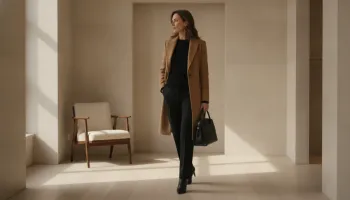
When you add a jacket, consider where its hem meets the skirt. A cropped or waist-length layer can keep the skirt’s shape visible. A longer coat can create a graceful column, especially when the colours relate. If both skirt and coat have strong visual presence, simplify the middle layer and accessories.


Start with the skirt and one item you already trust. That could be a favourite black top, a cream blouse, or a knit in a colour that appears in the motif. Put them together before choosing shoes. This keeps the decision focused and helps you see whether the print needs contrast or a more tonal companion.

Next, add a layer for the day’s setting. A cardigan softens the outfit; a tailored jacket gives it definition; a coat can make the same combination feel seasonally ready. Keep the layer open if you want the print to remain prominent. Button or close it when you prefer the outfit to read as a more continuous shape.

Then choose footwear based on both comfort and intention. A flat shoe can make a skirt feel easy and relaxed. A polished loafer or boot can add structure. A heel changes the mood without needing to change the rest of the outfit. If you are unsure, take a photograph of the outfit with two shoe options; seeing the full proportions often makes the decision clearer.

Finish with a bag and jewelry in a supporting role. A clean-lined handbag can complement a decorative print. Jewelry may echo a colour, introduce a pleasing contrast, or simply bring light near the face. You do not have to match everything. One thoughtful connection is often enough.


Yes, if the relationship between the patterns is easy to understand. Shared colour is the simplest bridge. A second pattern with a smaller scale can also sit comfortably beside a more prominent skirt print. For instance, a fine stripe may behave like a near-neutral when paired with a larger motif, particularly when both pieces share a restrained palette.

Keep an eye on contrast. Two bold, high-contrast patterns can both demand attention. You might quiet one through colour, scale, or texture, or place a solid layer between them. A cardigan or jacket can act as a visual pause, helping the combination feel thoughtful rather than crowded.

When trying a pattern mix, assess it from a little distance. Look at the overall impression, not just each garment separately. If your eye moves comfortably through the outfit, the mix is likely working. If it gets stuck between competing motifs, change one piece or remove an accessory.


Accessories can either reinforce the skirt’s character or gently temper it. A belt can emphasize the waist and create a neat transition between top and skirt. A scarf may add softness, but if the skirt is already elaborate, consider a solid or subtle design. A handbag with a simple shape can provide structure without adding another pattern.

For jewelry, consider the print’s mood. A crisp geometric design may pair naturally with clean, sculptural pieces. A romantic floral may welcome a softer finish. These are possibilities, not strict pairings. The most convincing choice is one that feels like you and is comfortable enough to wear throughout the day.

Do not overlook texture. A smooth skirt with a soft knit creates contrast without introducing another motif. A textured belt or polished shoe can add depth. When the print itself is detailed, texture may be all the variation the outfit needs.

Emma Boutique’s curated selection includes clothing and accessories from contemporary European and North American designers. Explore the designer collection for a sense of the boutique’s point of view, or browse accessories as you consider the finishing details that suit your wardrobe.


In warmer weather, pair a printed skirt with a light blouse or simple top and a shoe that leaves the outfit feeling open. A small bag and restrained jewelry can keep the look fresh. If the print includes several colours, let one of them guide your choice of top rather than trying to use every shade at once.

For transitional days, layer with a cardigan or jacket that can be removed comfortably. This is a practical way to keep a skirt in rotation when the temperature changes. A knit in a colour drawn from the print can connect the pieces, while a neutral layer gives you more flexibility across different outfits.

In cooler weather, consider tights, boots, and a coat that work with the skirt’s length and visual weight. A darker shoe can ground a colourful pattern; a lighter or tonal shoe can keep the outfit softer. Outerwear need not match the print exactly. A complementary colour or a quiet neutral will usually make the combination easier to wear.

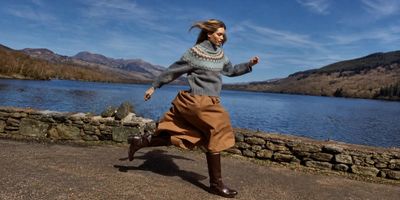
Montreal weather can change the practical choices you make, so think about warmth, walking, and the amount of time you will spend outdoors. A skirt that looks beautiful with delicate shoes may need a sturdier option for a long day. The goal is not to sacrifice elegance, but to choose pieces that make the outfit comfortable in real life.


Use the pieces you reach for naturally as a guide. If you prefer simple dressing, let the skirt be the expressive element and keep your top and accessories pared back. If you enjoy colour, bring one of the print’s shades into a knit or shoe. If you like a sharper silhouette, add structure through a jacket or belt.

Try the skirt with more than one version of your usual outfit. A printed skirt can feel very different with a crisp shirt than it does with a relaxed pullover. Take time to sit, walk, and move in each combination. The best outfit is not only attractive; it works with the way you spend your day.

It can also help to consider the wardrobe you are building around. A skirt that works with three existing tops may be more useful than one that requires a completely new set of companions. Look at your closet for repeated colours, familiar shapes, and footwear you already enjoy. Those clues make styling more personal and reduce the temptation to buy pieces that do not integrate.


Sometimes the challenge is not finding a top, but seeing new possibilities in pieces you already own. One-on-one styling can help clarify the proportions, colours, and accessories that feel right to you. Emma Boutique offers complimentary 60-minute personalized styling appointments with its stylists. The conversation can focus on your preferences and the way you want your wardrobe to work.

At Emma Boutique, the curation brings together Scandinavian simplicity and polished Parisian sensibility. A considered selection of clothing, shoes, bags, and jewelry can make it easier to compare different styling directions in person. Learn more about Emma Boutique’s approach, browse ready-to-wear, or look at blouses, cardigans, and shoes for pieces that may complement a skirt in your closet.

For more specific ideas, bring a clear sense of the occasions you dress for and the colours you enjoy. You can also think about what feels difficult: choosing a top, finding the right layer, or making a pattern feel less formal. A focused conversation makes it easier to explore options without losing sight of your own taste.

Arrange your complimentary styling appointment


A simple blouse, knit, or shirt is an easy place to start. Choose a solid colour that appears in the print or a quiet neutral that complements it. Adjust the fit and length to create the proportion you prefer.


Yes. Look for a shared colour, a difference in pattern scale, or a restrained palette that gives the two motifs a connection. If the combination feels too busy, keep one pattern quieter or add a solid layer.


Flats, loafers, boots, and heels can all work. Consider the skirt’s length, the outfit’s overall weight, and how much walking your day involves. Try the complete look in motion to see which option feels balanced and comfortable.


Let one or two accessories support the skirt instead of competing with it. A simple bag, a belt that defines the waist, or jewelry that echoes one colour can finish the outfit without overwhelming the pattern.


Pour savoir comment porter une jupe imprimée, commencez par chercher l’équilibre : laissez le motif exprimer votre style, puis choisissez des formes et des couleurs qui composent une tenue cohérente. Une jupe graphique, florale ou abstraite peut convenir aussi bien au quotidien qu’à une occasion plus habillée.


Un imprimé apporte déjà de l’intérêt visuel. Un haut uni, comme une blouse, une maille fine ou une chemise sobre, lui permet de rester au premier plan. Repérez une ou deux couleurs du motif et reprenez-les dans le haut, les chaussures ou un accessoire, sans chercher un accord exact.

Réfléchissez à la place de la jupe dans votre garde-robe. Un motif discret peut se marier facilement à plusieurs pièces, tandis qu’un dessin contrasté devient souvent le point central de la tenue. Le meilleur choix est celui qui correspond à vos goûts et aux vêtements que vous aimez déjà porter.


Avec une jupe ample, un haut plus ajusté ou structuré peut créer un équilibre. Avec une jupe droite, une blouse fluide ou une maille légèrement décontractée peut être agréable. Ce sont des pistes, pas des règles : le confort et vos préférences comptent davantage qu’une silhouette imposée.

Un haut rentré dans la jupe souligne la taille; une coupe plus courte peut produire un effet similaire. Si vous préférez une pièce longue, portez-la ouverte sur une base ajustée afin que la forme de la jupe reste visible. Essayez la tenue debout et en mouvement, surtout si vous ajoutez une veste ou un manteau.


Oui, lorsque les motifs ont un lien facile à percevoir. Une couleur commune est un bon point de départ. Une petite rayure peut aussi accompagner un motif plus grand, surtout si la palette demeure harmonieuse. Si deux imprimés attirent trop l’attention, simplifiez l’un d’eux ou ajoutez une couche unie comme pause visuelle.

Regardez la tenue de loin pour en évaluer l’impression générale. Si votre regard circule naturellement, l’association fonctionne probablement. Si les motifs semblent se concurrencer, changez une pièce ou retirez un accessoire.


Une ceinture peut souligner la taille, tandis qu’un sac aux lignes simples apporte de la structure. Pour les bijoux, choisissez une pièce qui reprend une couleur du motif ou qui accompagne son esprit. Les textures peuvent aussi créer du contraste sans ajouter un nouvel imprimé, par exemple une maille douce avec une jupe lisse.

Emma Boutique propose une sélection de prêt-à-porter et d’accessoires contemporains européens et nord-américains. Découvrez les marques sélectionnées et les accessoires pour réfléchir aux détails qui s’accordent à votre garde-robe.


Par temps doux, associez-la à une blouse légère et à des chaussures qui donnent une impression d’aisance. À la mi-saison, un cardigan ou une veste facile à enlever rend la tenue plus polyvalente. En période froide, pensez aux collants, aux bottes et à un manteau dont la longueur s’accorde avec celle de la jupe.

À Montréal, les conditions peuvent changer au cours de la journée. Choisissez donc des chaussures adaptées à vos déplacements et des couches qui vous gardent à l’aise sans renoncer à l’élégance. Un ton neutre ou une couleur complémentaire suffit souvent pour relier le manteau à l’imprimé.


Si vous aimez les tenues simples, laissez la jupe jouer le rôle principal. Si vous appréciez la couleur, reprenez une nuance de l’imprimé dans une maille ou une chaussure. Pour une allure plus structurée, ajoutez une veste ou une ceinture. Essayez plusieurs combinaisons avec les pièces que vous possédez déjà et choisissez celle qui accompagne réellement votre quotidien.

Un rendez-vous de stylisme personnalisé peut aider à explorer les couleurs, les proportions et les accessoires qui vous conviennent. Emma Boutique propose des rendez-vous de stylisme personnalisés et gratuits de 60 minutes avec ses stylistes. Pour en savoir plus, consultez la page à propos de la boutique, explorez le prêt-à-porter, les blouses, les cardigans et les chaussures.

Prenez rendez-vous pour un stylisme personnalisé


Une blouse, une maille ou une chemise unie est un bon point de départ. Choisissez une couleur présente dans le motif ou un ton neutre harmonieux, puis ajustez la longueur du haut selon la silhouette souhaitée.


Des chaussures plates, des mocassins, des bottes ou des talons peuvent convenir. Tenez compte de la longueur de la jupe, de l’équilibre général de la tenue et de vos déplacements.


Privilégiez un ou deux accessoires qui soutiennent le motif. Un sac sobre, une ceinture ou un bijou reprenant une couleur de la jupe peut terminer la tenue sans la surcharger.

Une jupe imprimée devient particulièrement polyvalente lorsqu’elle s’accorde à votre façon de vivre et aux pièces que vous aimez déjà porter.

To make the guidance practical, treat getting dressed as a sequence of decisions rather than an open-ended search. First decide what role you want the skirt to play. For a meeting or dinner, it may be the defining piece; for a busy daytime schedule, it may simply add colour to familiar staples. Then choose a base top, establish the waistline, and only afterward decide whether a layer or accessory is needed. This order keeps each addition purposeful.

Imagine a dark skirt with a small, light motif. A cream blouse will make the pattern feel crisp, while a black knit will create a more continuous line. If the print includes a muted accent colour, repeating it in a shoe or small bag brings the outfit together without turning it into a matching set. The same skirt can therefore read as polished or relaxed through a few controlled choices.

With a bright, large-scale print, reverse the emphasis. Start with a top in one of the quieter colours in the design, not necessarily the brightest. A plain shoe and an uncomplicated bag give the eye somewhere to rest. If you want additional interest, use a tactile element, such as a soft knit or a smooth leather belt, rather than another conspicuous motif.


For a daytime appointment, comfort and ease matter alongside polish. A fine-gauge knit tucked loosely at the front, a low-profile shoe, and a structured bag can make a patterned skirt feel composed without seeming formal. Keep jewelry light enough that it does not compete with the movement of the fabric. If the day involves walking, test the shoes with the actual hem length before leaving.

For an evening invitation, the skirt can carry more of the drama. A refined blouse, a more defined waist, and a considered shoe can make the same print feel elevated. Rather than adding several statement accessories, choose one focal detail: perhaps a sculptural earring or a polished belt. The effect is more assured when the outfit has a clear centre.

In a work setting, consider the overall level of pattern and the formality of the room. A skirt with a lively motif can still feel professional when paired with a clean shirt, a neat jacket, and restrained accessories. If the print is quieter, a coloured knit or a distinctive shoe may bring personality without making the outfit feel overworked. There is no single office formula; the useful test is whether you feel at ease in the setting.

For travel or a long day that includes several stops, build around pieces that can adjust. A cardigan or jacket that comes off easily helps with temperature changes. A shoe you can walk in protects the outfit from becoming an impractical idea. A bag that holds what you need without adding visual clutter completes the look. Planning these details beforehand helps the skirt earn a place beyond special occasions.


Look at the outfit from the front, side, and back. A top may seem balanced from one angle but bunch at the waistband or pull when you sit. Check whether the hem swings freely, whether the waistband stays comfortable, and whether the layer lets you move your arms. These small practical checks matter because they determine whether you will enjoy wearing the look for hours.

Notice the transition between the skirt and footwear. A shoe that visually echoes a colour in the print can create continuity, but a neutral shoe may be the calmer choice when the print already has several strong tones. With tights, consider whether the contrast at the leg feels intentional. Trying both options in natural light can reveal how the colours interact more clearly than a quick glance under indoor lighting.

Think about the amount of visual information near your face. If the skirt is bold, a simple neckline can balance the outfit. If the skirt is subtle, earrings, a scarf, or a more expressive blouse can bring attention upward. This is not a rule about where attention belongs; it is a way to control the overall rhythm of the look.

Finally, ask whether each piece has a reason to be there. If a belt adds shape, keep it. If a scarf repeats a colour and softens the neckline, it may be useful. If an accessory only adds another competing detail, leave it out. Editing is often the last step that makes an outfit feel considered.


Choose three dependable companions: a neutral top, a top in a colour taken from the print, and a layer that works with the skirt’s shape. These provide distinct starting points without requiring a new wardrobe. A neutral top can create a quiet look, the colour-matched top can make the print feel cohesive, and the layer can shift the mood or respond to the weather.

Change one element at a time when you experiment. Keep the top and skirt fixed while trying different shoes; then keep the shoes and change the layer. This simple comparison makes it easier to see what is affecting the outfit. If you change the top, jacket, shoes, and jewelry at once, it is harder to understand which combination you prefer.

Use accessories to make a familiar combination feel different. A belt can define a waist; a necklace can bring attention to the neckline; a scarf can soften a plain top. Choose one of these at a time before layering more. A printed skirt does not need elaborate styling to feel new, and a restrained outfit can be just as expressive as a more decorated one.

When planning a small wardrobe rotation, note the occasions each combination serves. The same skirt could work with a knit and flats for errands, a shirt and loafers for a daytime engagement, and a refined blouse with a heel for dinner. Write down or photograph the successful pairings if that makes getting dressed easier. The purpose is not to impose a uniform, but to remember useful ideas that already feel like you.


Consider how the skirt behaves when you walk. A fluid fabric may have movement that becomes part of the outfit, so a close-fitting top and quieter accessories can keep the silhouette clear. A more structured skirt may hold its shape and pair well with a softly draped blouse. The contrast between structure and softness often gives an outfit its character.

Also notice how the print looks at different distances. A small motif can blend into a texture from across the room, while a large motif remains legible. This affects how much contrast you need above it. If the skirt reads as quiet from a distance, a coloured or textured top may be welcome; if its pattern is immediately prominent, simplify the other pieces.

Before buying or choosing a companion, consider how it will feel throughout the day. A top that must be adjusted repeatedly or a layer that catches on the skirt can distract from the overall look. The best styling decisions account for movement, comfort, and the practical rhythm of the day as well as colour.


A printed skirt need not be reserved for a special occasion. Pair it with something familiar and useful, such as a simple knit, a well-cut shirt, or a clean shoe. This contrast between expressive and everyday pieces keeps the outfit from feeling too precious. It also makes the skirt easier to reach for when you have little time to plan.

Keep the finish of the outfit consistent with the setting. A polished bag and neat layer can make a casual top feel more intentional. Conversely, a relaxed cardigan or flat shoe can soften a skirt that otherwise feels formal. Small changes in finish often do more than adding a new statement piece.

For a particularly colourful pattern, repeat just one shade elsewhere and let the remaining colours stay within the skirt. This gives the eye a clear point of connection. For a monochrome print, use texture or silhouette to create interest instead of adding colour simply for its own sake. The result can remain quiet while still feeling distinctive.


Bring the questions that are genuinely holding you back. Perhaps you are unsure whether the print works with a jacket you already own, whether a tucked top feels comfortable, or which shoe makes the skirt versatile enough for everyday wear. Concrete questions give a styling conversation a useful focus and help you explore more than one answer.

You can also describe the parts of your week the skirt needs to serve. A wardrobe for meetings, cultural events, travel, and relaxed weekends may call for different proportions and levels of polish. Explaining those contexts helps a stylist consider how the skirt might connect with the clothes and accessories you actually use, rather than treating it as an isolated purchase.

Emma Boutique is an independent Westmount boutique founded in 2005, with a curated selection of contemporary European and North American prêt-à-porter and accessories. Its point of view brings Scandinavian simplicity and practicality together with polished Parisian fashion sensibility. The experience is personal rather than algorithm-led: a one-on-one conversation can help you compare options and clarify what feels most natural to you.

To make the appointment useful, arrive with an open mind but a clear sense of your preferences. You might mention colours you wear often, silhouettes you enjoy, and the occasions for which you want more outfit options. If you are considering a skirt already in your wardrobe, describe its print and shape or bring it along if convenient. The discussion can then centre on practical combinations, not abstract rules.

Explore the boutique’s online collection for a sense of its ready-to-wear and accessories, and revisit the curated designer portfolio when considering a distinctive point of view. For a personal conversation, use the appointment booking page. The goal is to make a wardrobe feel more connected, while leaving room for individuality.


When the skirt has a dominant dark ground with fine, pale lines, think about whether you want contrast or continuity. A pale blouse makes the pattern feel crisp and can brighten the face; a dark knit creates an uninterrupted, more graphic impression. Add a third colour only if it appears in the design or has a clear purpose. This keeps a refined palette from becoming fragmented.

When the skirt features a soft floral in several muted tones, a knit in one of the less obvious shades can feel especially thoughtful. The match does not need to be exact. A related colour family is enough to make the outfit feel connected. If you choose a jacket, a clean neutral can give the floral room to show rather than competing with its subtle detail.

For a crisp geometric print, use clean lines elsewhere: a simple neckline, a structured bag, and a shoe with an uncomplicated shape. A softer fabric can prevent the look from feeling severe. If you want to mix a second pattern, a narrow stripe with shared colours may be easier to balance than another large geometric motif.

With an abstract print, take cues from its movement. A fluid skirt may pair naturally with a draped blouse, while a more sculptural silhouette can be balanced by a restrained top. Avoid trying to interpret every colour literally. Choosing one shade to repeat and letting the rest remain in the skirt often makes the outfit look more assured.


Begin in good light and put on the shoes you expect to wear. This helps you assess the actual hem and proportions rather than imagining them. Stand naturally, then walk a few steps, sit, and reach as you might during a normal day. A skirt that feels comfortable in these simple movements is more likely to become a genuine wardrobe option.

Try one tucked version and one untucked version if the top allows both. Notice whether the waistband looks neat and whether the fabric stays in place. If the top is longer, try it open over a fitted base rather than letting it cover the skirt entirely. Small adjustments can change the line without requiring a different garment.

Take a moment to step back from the mirror. Look for the overall balance of colour and shape, not isolated details. If the pattern dominates more than you expected, simplify the top or accessories. If the outfit looks too quiet, add one deliberate detail, such as a contrasting shoe or a coloured layer. Make only that change, then reassess.

Finally, consider how the outfit fits your real routine. If you would need to change shoes midway through the day, plan for that. If you spend time outdoors, choose a coat and layer that work with the skirt. The most useful styling result is one you can wear confidently without constantly managing it.


There is no universal scale of boldness that a woman should follow. Some enjoy a strong motif with a confident colour pairing; others prefer a print that sits quietly beside familiar neutrals. The important question is whether the skirt feels expressive in a way that reflects you. A polished outfit should not erase personality in pursuit of perfect coordination.

Let your existing wardrobe offer evidence. If you repeatedly reach for clean lines and muted tones, try a print that can join those pieces without demanding a complete change of style. If you already enjoy colour and texture, the skirt can become another part of that visual language. Styling works best when it builds on habits you value rather than asking you to become someone else.

When an outfit seems nearly right, identify the source of hesitation. Is the top length interrupting the line? Does the shoe feel too delicate for the skirt’s weight? Is there one accessory too many? Naming the issue makes the next adjustment specific. Often one small edit is enough to turn a tentative combination into an outfit you are happy to wear.

A printed skirt can therefore be both a statement and a dependable wardrobe piece. Start with a clear colour relationship, make the proportions comfortable, and edit the finishing details. With those choices in place, the pattern can feel polished, practical, and unmistakably your own.

Let’s create what matters — together.

Emma Boutique

More Posts

How to Spot a Fake Designer Handbag: A Shopper's GuideHow to Spot a Fake Designer Handbag: A Shopper's Guide
How to Spot a Fake Designer Handbag: A Shopper's Guide

Knowing how to spot a fake designer handbag begins with patience, not a magnifying glass. Look at the whole picture: the bag’s construction, the consistency of its details, the seller’s story, and the quality of the information offered. No single visual clue can establish authenticity on its own, and a careful shopper should be willing to pause when something does not add up.

Luxury Handbags for Women Under $1000: A Buying GuideLuxury Handbags for Women Under $1000: A Buying Guide
Luxury Handbags for Women Under $1000: A Buying Guide

A beautiful handbag should work with your wardrobe, your routine, and your budget. If you are searching for luxury handbags for women under $1000, start with how you will carry it and what it needs to hold.

Accessible Luxury Brands: A Thoughtful GuideAccessible Luxury Brands: A Thoughtful Guide
Accessible Luxury Brands: A Thoughtful Guide

Judge accessible luxury brands by fabric, wear, and fit. A Westmount guide to pieces worth keeping, with a complimentary styling appointment.

How to Style a Poncho with EaseHow to Style a Poncho with Ease
How to Style a Poncho with Ease

A poncho can bring ease, movement and a distinctive line to everyday dressing. The question of how to style a poncho is less about following a single formula than about creating balance: let the fabric fall freely, then give the rest of the outfit a clear shape. In Montreal, where a day may move between brisk streets, warm interiors and changing weather, thoughtful layers make that balance especially useful.

Ethical Luxury Knitwear: What to Look ForEthical Luxury Knitwear: What to Look For
Ethical Luxury Knitwear: What to Look For

A guide to assessing ethical luxury knitwear through material transparency, workmanship, care, and cost per wear, written for women in Montreal and Westmount.

Are Designer Handbags Worth It?Are Designer Handbags Worth It?
Are Designer Handbags Worth It?

Are designer handbags worth it? A Montreal guide to wear, leather, repair, and the bags worth carrying from Emma Boutique.

<p>Luxury Women's Knitwear for Cold Days</p><p>Luxury Women's Knitwear for Cold Days</p>

Luxury Women's Knitwear for Cold Days

Luxury women's knitwear for Montreal cold: gauge, fibre and shape, with in-stock pieces from Emma Boutique in Westmount.

Luxury Fashion Designers: A Signature WardrobeLuxury Fashion Designers: A Signature Wardrobe
Luxury Fashion Designers: A Signature Wardrobe

Luxury fashion designers can shape a signature wardrobe. See how Emma Boutique reads point of view, proportion, and pieces in Westmount.

How to Style a Printed Silk ScarfHow to Style a Printed Silk Scarf
How to Style a Printed Silk Scarf

Learn how to style a printed silk scarf by fold, colour and scale, with current Etro and Dorothee Schumacher silk pieces.