Emma Boutique | 2 hours ago

How to Style a Luxury Women's Scarf

Learn how to style a luxury women's scarf with practical ideas for colour, proportion, work, weekends, travel and evening dressing in every season.

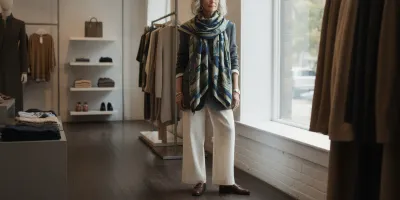
How to style a luxury women’s scarf is a practical question with a personal answer: begin with the fabric, colour, proportion and occasion, then let the scarf support the outfit rather than compete with it. A beautiful scarf can frame the face, soften tailoring, add movement to a simple dress or bring warmth to a coat. The best way to wear one is not necessarily the most elaborate knot. It is the approach that feels comfortable, looks considered and works with the clothes you already wear. This bilingual guide offers useful English and French ideas for work, weekends, travel and evening dressing.

Book a complimentary styling appointment

How do you style a luxury women's scarf with ease?

First decide what you want the scarf to do. A lightweight scarf can provide colour near the face. A larger, softer style can add warmth and shape to outerwear. A distinctive print can become the focal point of a quiet outfit, while a tonal scarf can bring texture without changing the character of a tailored look. Thinking about purpose before tying makes the choice simpler and prevents an accessory from feeling like an afterthought.

Look at the whole outfit before putting the scarf on. Notice the neckline, the shape of the jacket or coat, and the other details already present. A plain fine-knit top gives a patterned scarf room to show its design. A blouse with a strong print may work better with a quiet, solid-colour scarf. If an outfit already includes prominent jewellery, a large collar and a patterned bag, the scarf may be most effective when worn simply or left for another day.

For a refined everyday wardrobe, scarves are an easy way to introduce personality. A vivid shade, artistic print or soft romantic detail can refresh dependable neutrals without requiring a complete change of style. The most elegant result is often the one that feels natural and comfortable. If you find yourself adjusting a knot all day, loosen it, change its position or choose a simpler fold.

Think of the scarf as part of the outfit’s composition. It can create a vertical line when worn long, draw attention toward the face when folded close to the neck, or widen the silhouette when spread over the shoulders. Each placement changes the balance. Try the same scarf in two or three ways in front of a mirror and notice which one feels most harmonious with your proportions and the clothes beneath it.

Which scarf should you choose for the outfit?

Consider weight, scale, surface and colour before choosing a knot. A lightweight silk or fine woven scarf works well under a jacket, in a soft neck tie or as a loose drape. Cashmere or soft wool is useful for cooler weather and travel. A large square can be folded into a triangle or placed over the shoulders. A narrow scarf creates a delicate accent at the neck or on a handbag. These are styling possibilities, not rules: the right choice depends on the garment and the effect you want.

Look at the colour near your face first. A scarf can brighten a neutral coat or echo a shade in your jewellery, eyewear, bag or lipstick. A deeper colour creates definition, while a quiet neutral lets a more directional outfit remain the focus. If you are unsure, place the scarf against the garment in natural light. This helps you see whether the tones work together without relying on artificial lighting or an imagined outfit.

Scale matters as much as colour. A small-scale print often feels subtle and can be easy to wear close to the face. A large, expressive motif can look beautiful when given space across a simple coat or knit. If the scarf has a striking border, fold it so that some of that border remains visible. If it is richly patterned throughout, a relaxed drape can let the design read clearly without crowding the neckline.

Texture can make two similar colours feel different. A smooth scarf against a soft knit creates a quiet contrast. A soft, brushed texture layered over a crisp shirt can make the outfit feel less formal. Avoid adding volume without considering the neckline and collar: a substantial scarf under a high, structured collar may feel crowded, while a lighter fold can sit neatly.

At Emma Boutique, you can explore the curated scarf collection alongside clothing and accessories. When considering a particular scarf, think about how it would work with your coats, knitwear, dresses and jackets, rather than judging it only on its own. A piece that complements several things you already own is more likely to become part of your regular wardrobe.

A quick choice-by-choice guide


For a quiet accent:

choose a narrow scarf or a simple fold in a colour already present in your outfit.


For a focal point:

pair a bolder print or colour with simple shapes and restrained accessories.


For warmth:

choose a soft, larger style and allow enough room to move your head and shoulders comfortably.


For a jacket:

look for a lighter scarf that can sit inside the lapels without creating excess bulk.


For a dress:

consider a shoulder drape or a narrow neck tie, depending on the neckline and the formality of the occasion.

What are the easiest ways to tie a luxury scarf?

A scarf does not need an intricate knot to look polished. Begin with folds that are easy to repeat and adjust. Before tying, smooth the fabric gently and find the part of the print or border you want to show. A neat fold can make a simple method feel intentional. Avoid pulling delicate fabric sharply or knotting it so tightly that it loses its natural drape.

The long drape

Place the scarf behind your neck and let both ends fall down the front. This shows the border or print and creates a graceful vertical line. It works with a streamlined coat, cardigan or open jacket. Keep the rest of the outfit clean so the scarf has room to speak. If the ends are different lengths, allow the difference to look deliberate rather than repeatedly correcting it.

This approach is especially useful when you want the scarf to add colour but not add much volume around the neck. It can also create a visual connection between the upper and lower parts of a simple outfit. With a patterned scarf, check that the front panels do not twist so the design is hidden. A small adjustment at the shoulders is often enough.

The soft single wrap

Leave one end longer than the other, wrap the long end once around your neck and let both ends fall naturally. Do not pull the wrap too tightly. A little ease feels modern and remains comfortable through a full day. The wrap can sit higher for a close, cosy effect or lower for a more relaxed line, depending on the scarf’s size and your neckline.

Check that the fabric lies flat where it crosses at the front. If the scarf feels too bulky, loosen the wrap or choose a narrower fold. If the ends disappear inside a coat, bring them forward so that a little colour or texture remains visible. The point is to make a useful layer feel composed rather than tightly arranged.

The folded neckerchief

Fold a square scarf diagonally into a triangle, then fold the long edge slightly. Tie it behind the neck or to one side. A centred knot looks graphic with a shirt. A side knot feels more relaxed with a fine knit or cardigan. Keep the point of the triangle at a comfortable height and leave room at the throat.

For a softer version, make the folds wider and let the fabric sit loosely. For a more defined version, fold the triangle into a narrower band and position the knot neatly. The same square can therefore feel casual or polished without requiring a different garment. If the knot draws too much attention, move it slightly to one side or turn the ends under.

The shoulder drape

Place a larger scarf over both shoulders like a light shawl. This is graceful over a sleeveless dress or simple evening outfit. Keep the ends balanced for a formal effect, or let one side fall longer for movement. A shoulder drape is also useful when a room feels cool and you want a layer that can be removed easily.

To keep the scarf from sliding, allow it to rest over the shoulders rather than pulling it tightly across the upper arms. With a dress that has an interesting neckline, arrange the scarf so the neckline remains visible. If you are wearing earrings or a necklace, try the drape with those pieces in place so the whole arrangement feels balanced.

The loose loop

Fold a long scarf in half, place it behind your neck and pass the loose ends through the loop. Adjust the loop so it sits comfortably and does not press against the throat. This is a useful method for a simple, tidy finish with a coat or knit. It can look particularly neat when the scarf is not too bulky and the coat has a clean neckline.

For a more relaxed result, do not pull the ends all the way through. Let the loop remain soft and slightly open. This small change makes the arrangement less formal and lets the fabric move. If the scarf is wide, fold it lengthwise before looping so that it sits more easily under a jacket.

The belt-through drape


For a larger, light scarf worn over a jacket or cardigan, place it around the neck and secure the ends under a belt at the waist. This method can connect the scarf to the shape of the outfit and keep the ends from moving. Use it only when the fabric and garment can sit smoothly together. The belt should not crush or pull the scarf, and the result should remain comfortable when you sit.

This is best treated as an occasional styling idea rather than a default. A scarf with a vivid border can create an interesting line through the outfit, while a tonal scarf can add gentle texture. Keep the belt and other accessories simple so the arrangement remains clear.

How can you style a scarf with a coat or jacket?

A coat offers space for colour and pattern. Wear a scarf open and long when you want to show its full design. Wrap it once when you want warmth without too much volume. If the collar is narrow, fold the scarf more precisely. A very full scarf can overwhelm a small neckline, so test the combination with the coat fastened as well as open.

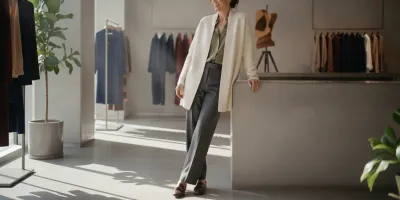
With a tailored jacket, wear a fine scarf under the lapels, inside an open jacket or over the shoulders. A narrow tie at the neck works with a shirt and tailored trousers. A fluid scarf also softens a structured jacket, creating a pleasing contrast between precision and movement. If the jacket has a strong lapel or a high collar, keep the scarf slim enough to sit comfortably.

With a cardigan, choose a lighter scarf or soft texture so the layers do not become bulky. A refined cardigan, straight-leg trouser and softly tied scarf are well suited to lunch, a gallery visit or a day in the city. For more wardrobe inspiration, browse Emma Boutique's curated designer brands.

Consider the practical details of outerwear. A scarf worn under a coat should not interfere with the collar closing or make the shoulders feel restricted. If you commute or walk outdoors, test the arrangement with the coat fastened and with your arms moving. A scarf that looks graceful while standing still should also feel secure and comfortable in motion.

For a neutral coat, decide whether you want harmony or contrast. A scarf in a related tone can create a calm, tonal effect. A brighter shade or clear print can make the coat feel different without changing the coat itself. With a patterned coat, find one colour that appears in the pattern and repeat it in a simpler scarf. This makes the combination feel connected while allowing the coat to retain its character.

When layering, think about where the scarf ends. Ends that stop at the widest part of a coat or jacket may draw attention there. A longer drape can create a continuous line; a short neckerchief can keep the focus higher. Neither is inherently better. Choose the length that balances the coat’s shape and the rest of the outfit.

How do you style a luxury women's scarf for work?

For work, aim for polish with enough ease to move through the day. A silk scarf can sharpen a knit dress or blouse. A fine cashmere scarf can soften a suit or structured coat. Choose a method that stays comfortable during meetings, desk work and travel between appointments. The scarf should feel like part of your outfit rather than something you must keep readjusting.


Choose one colour from the scarf and repeat it in a shoe, belt, bag or discreet piece of jewellery.


Keep the knot simple and comfortable for meetings and movement.


Place the scarf close to the face when you want to brighten a neutral outfit.


Use a printed scarf to connect separates that are not part of a matching suit.


Remove one other accessory if the scarf is especially expressive.

A printed scarf with a plain blouse and tailored trousers is a reliable combination. For a more contemporary feeling, place the knot slightly off-centre. This small adjustment makes a classic accessory feel personal. If you wear a jacket, try the scarf under the lapels, then remove the jacket and check whether the scarf still sits well with the blouse on its own.

For a long day, practicality is part of polish. Avoid a loose end that catches on a chair or bag strap. Choose a fold that does not press against your neck while seated. If you move from outdoors to a warm interior, a light scarf that can be removed and folded neatly is often easier than a thick wrap. Keep the arrangement simple enough to put back in place without a mirror.

At a formal workplace, a restrained print or tonal scarf can add personality while respecting a tailored silhouette. In a more creative setting, a distinctive colour or bolder motif may work beautifully with quiet separates. In either case, repeat just one or two colours elsewhere rather than matching every accessory exactly. A subtle echo gives cohesion without making the outfit look assembled from a set.

Can a luxury scarf work with denim and everyday clothing?

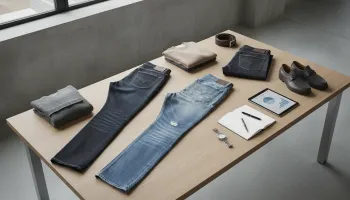
Yes. Pair a soft scarf with a fine sweater, dark denim and polished loafers for an understated city look. With light denim, choose a richer tone or refined print for definition. If the jeans are relaxed, use a more precise fold or structured bag. If the denim is dark and tailored, a loose drape can make the outfit feel less severe.

Scarves also work beautifully with simple dresses. A narrow scarf tied at the neck creates a graphic accent. A larger scarf over the shoulders can make a relaxed dress ready for dinner. Add a belt only when the dress benefits from a defined waist. If the dress has a detailed neckline, choose a placement that leaves that detail visible instead of covering it.

For a weekend outfit built around denim, the scarf can supply the element of refinement. Start with a comfortable knit or shirt, then add a scarf with a colour that brings the pieces together. A neat neckerchief feels intentional with a simple top; a longer drape works well over a coat or open cardigan. A scarf need not turn an everyday outfit into a formal one. It can simply make the combination feel more considered.

With a relaxed shirt, try leaving the collar open and arranging a narrow scarf just inside it. With a crew-neck knit, a small fold close to the neck can introduce colour without changing the sweater’s shape. With a V-neck, a longer drape can follow the neckline and create a soft vertical line. Test the scarf with the outer layer you actually plan to wear, since a combination that works indoors may need adjustment under a coat.

Everyday dressing is also a good place to experiment with unexpected combinations. A romantic print can soften a practical jacket. A plain scarf can calm a patterned blouse. A bright accent can bring energy to dark denim and a neutral knit. Change only one element at a time so you can see what the scarf contributes and avoid making the outfit feel overworked.

How do you wear a scarf in the evening or while travelling?

For evening dressing, drape a silk or finely finished scarf over the shoulders of a dress, fold it narrowly at the neck or place it asymmetrically. Let the scarf complement the outfit rather than compete with statement jewellery. A quiet contrast or a repeated colour often feels more sophisticated than an exact match. If the scarf has a strong print, let it provide the main visual interest and keep other accessories measured.

Think about the setting as well as the outfit. A shoulder drape can be useful for a dinner or performance when you want an elegant layer that can be removed. A narrow fold can feel more appropriate with a jacket or dress that already has structure. If you will be carrying a coat, check that the scarf does not bunch under the collar and that its edges remain neat when the coat is on.

For travel, select a comfortable fabric and a colour that works with at least three outfits. Wear it long with trousers, folded at the neck with a shirt and over the shoulders with a dress. Keep it accessible in your bag. One versatile scarf can make a small wardrobe feel different each day. Consider the weather and your travel routine: a scarf that can serve as a light layer should be easy to fold and carry when not in use.

Before packing, lay out the garments you plan to bring and test the scarf with each one. Notice whether it works with both the coat and the indoor layers, whether it adds a useful colour, and whether it can be tied in ways you will actually wear. A scarf that matches one outfit perfectly but clashes with the rest may not earn its place in a compact suitcase. A versatile colour or print often offers more combinations.

On a travel day, comfort matters. Keep the knot loose enough for long periods of sitting, and avoid a bulky wrap that presses against the seat belt or bag strap. A long drape can be tucked into outerwear when needed, then opened when you arrive. If you are carrying a scarf in a tote, fold it loosely and place it where it can be reached without unpacking everything.

How can you make a scarf feel personal?

Personal style comes from the choices around the scarf. Try a side knot, uneven ends or a fold that reveals only the border of a print. Consider your jewellery, watch, handbag and eyewear when choosing placement. A high tie creates a different effect from a low drape; the right option is the one that suits your proportions and comfort.

Instead of choosing a scarf only because it is beautiful by itself, consider how it will live with your coats, jackets, knitwear and dresses. A restrained palette may become an everyday essential. A distinctive print can become a signature piece for simple outfits. A larger soft style may be valuable when you move between indoor and outdoor settings.

There is no need to match every detail. A scarf can repeat one colour from a print, complement the tone of a coat, or provide contrast against a neutral outfit. Exact coordination can look polished, but a small difference in tone or texture often feels more relaxed. Look at the entire outfit from a little distance rather than focusing only on the scarf close to the mirror.

Try a simple three-part test when deciding whether a scarf belongs in your wardrobe. First, identify at least two or three garments it could accompany. Second, decide how you would wear it: draped, folded, wrapped or over the shoulders. Third, consider whether the fabric and size make sense for the seasons and settings in which you dress. If you cannot picture using it, pause before treating its beauty alone as a reason to buy.

It can help to create a small set of dependable combinations. For example, note a scarf that works with a dark coat, a fine knit and a simple dress. Another may be reserved for a neutral jacket and denim. Knowing a few combinations in advance makes getting dressed easier and encourages you to wear the scarf in different ways rather than repeating one knot every time.

How do you care for and store a scarf?

Care begins with checking the instructions supplied with the particular scarf. Fibres and finishes can require different handling, so do not assume that every fabric should be washed, steamed or pressed in the same way. Follow the care label and, when uncertain, seek appropriate professional advice. Avoid using heat or cleaning methods unless they are suitable for the fabric.

After wearing a scarf, allow it to air before storing it. If it has been folded for the day, smooth it gently and store it without pulling or stretching the edges. A clean, dry place helps keep it ready to wear. For a scarf that will be stored for a longer period, consider protecting it from dust and keeping it away from direct light or damp conditions.

Small habits can help preserve the way a scarf looks. Remove jewellery that might snag delicate fabric before tying it. Be mindful of bag hardware and rough surfaces. When taking off a coat, avoid yanking the scarf from underneath the collar; loosen the coat first. These simple choices reduce unnecessary strain and help the scarf remain a pleasure to wear.

Storage should make it easy to see the scarves you actually use. Fold them loosely or arrange them in a way that does not create hard creases. Keep heavier items from pressing on delicate pieces. If you have several scarves, group them by colour, season or size. A visible, orderly selection makes it easier to remember which pieces work with a particular coat or outfit.

How can personal styling help you choose the right scarf?

Sometimes the challenge is not learning a knot but deciding which colour, scale or fabric belongs in your wardrobe. A personal styling appointment lets you compare options with the clothing you already wear or plan to wear. It can also clarify whether you need an everyday layer, a distinctive accent or an elegant piece for special occasions. Bring a clear idea of the outfits or occasions you want to address, and the conversation can stay focused on your real wardrobe.

Emma Boutique is an independent Montreal-area luxury fashion boutique founded in 2005. At 1350 Greene Avenue in Westmount, it brings together contemporary European and North American prêt-à-porter and accessories with a point of view that combines Scandinavian simplicity and practicality with polished Parisian sensibility. Complimentary one-on-one styling appointments are available for women who value attentive guidance.

A useful styling conversation can begin with questions rather than a shopping list. Which coat do you wear most often? Do you want colour near your face, a warmer layer, or a scarf that makes a simple dress feel finished? Are there prints you already enjoy, or would you prefer a quieter texture? These answers help narrow the choices and make comparison more meaningful.

You can also think about proportions in the context of your own clothing. A scarf that seems too large when held alone may sit beautifully over a coat. A narrow scarf may be more useful with a blouse than a thick wrap. Trying several arrangements allows you to see the difference directly. The aim is not to follow a fixed formula, but to find a way of wearing the piece that feels like you.

Frequently Asked QuestionsHow do I style a printed scarf without making an outfit look busy?

Let the scarf be the main print. Pair it with simple shapes and quieter colours, then repeat one shade from the scarf in a small detail such as a bag or shoe. If your outfit already includes a pattern, choose a scarf that shares one colour and has a calmer overall effect.

Can I wear a scarf with a patterned blouse or dress?


Yes, but consider scale and colour. A quiet scarf in a shade found in the garment can connect the pieces. You can also leave the scarf out if the outfit already feels complete. The goal is visual balance, not adding an accessory to every look.

What is the easiest scarf style for a busy day?

A long drape or soft single wrap is easy to put on and adjust. Choose a fabric and fold that stay comfortable while you move, sit and travel. If you expect to remove your coat, check that the scarf still looks composed without it.

How can I wear a scarf with a high-neck coat?

Use a lighter or narrower fold and avoid forcing a thick wrap under a crowded collar. You can wear the scarf open over the coat or tuck a slim style inside, depending on the coat’s shape and the weather. Comfort and freedom of movement should guide the choice.

How do I choose one scarf for travel?

Choose a comfortable piece that coordinates with several outfits and can be worn in more than one way. Test it with the clothes and outerwear you plan to pack. A versatile scarf is more useful than one that works with only a single look.

Comment porter un foulard de luxe pour femme avec élégance?

Pour savoir comment porter un foulard de luxe pour femme, commencez par la matière, la couleur, le volume et l'occasion. Un foulard peut encadrer le visage, illuminer un manteau neutre, adoucir un tailleur ou donner du mouvement à une robe. Il n'est pas nécessaire de réaliser un nœud complexe pour obtenir une allure raffinée. Le choix le plus réussi est celui qui s'accorde avec vos vêtements et reste agréable à porter toute la journée.

Avant de le nouer, observez la tenue dans son ensemble. Le col, la coupe de la veste, les bijoux et les autres motifs influencent la façon dont le foulard sera perçu. Avec une maille unie ou une chemise simple, un imprimé peut devenir le point d'intérêt. Avec un vêtement déjà imprimé, un foulard plus discret permet souvent de préserver l'équilibre.

Pour tous les jours, associez un foulard imprimé à des pièces aux lignes simples: une maille fine, une chemise, une veste structurée ou un manteau sobre. Si votre tenue comporte déjà un motif, choisissez un foulard qui reprend une couleur présente dans l'ensemble. Vous obtiendrez une harmonie élégante sans surcharge. Pour un résultat plus personnel, essayez un nœud décalé ou une extrémité légèrement plus longue.

Quel foulard choisir selon la tenue?

Un foulard léger convient à un nœud souple, à un drapé sous une veste ou à une tenue de transition. Le cachemire ou la laine douce apportent chaleur et texture. Un grand carré peut être plié en triangle près du cou ou posé sur les épaules comme une étole. Un modèle étroit crée un accent délicat au cou ou sur un sac. Pensez aussi à la façon dont le foulard s'assoit sous un manteau fermé.

Près du visage, la couleur peut réveiller un manteau noir, marine, gris, crème ou camel. Reprenez une teinte de vos bijoux, de votre sac ou de vos lunettes. Un imprimé affirmé est plus facile à porter lorsque le reste de l'ensemble demeure calme. Si vous hésitez entre deux couleurs, comparez-les à la lumière naturelle avec les vêtements que vous portez le plus souvent.

L'échelle du motif et la texture comptent autant que la couleur. Un petit motif peut créer un accent subtil; un imprimé plus ample demande davantage d'espace pour être apprécié. Une matière lisse contraste joliment avec une maille douce, tandis qu'une étoffe souple peut adoucir une veste structurée. Ajustez le pli pour montrer le détail qui vous plaît, comme une bordure ou une partie du motif.

Quelles sont les façons les plus simples de nouer un foulard?Le drapé long

Placez le foulard derrière la nuque et laissez les deux extrémités tomber devant. Cette méthode montre le motif et crée une ligne verticale élégante avec un manteau ou une veste ouverte. Elle ajoute de la couleur sans créer beaucoup de volume près du cou. Vérifiez que le foulard ne se retourne pas et que les pans restent bien visibles.

L'enroulement souple

Gardez une extrémité plus longue, enroulez-la une seule fois autour du cou puis laissez les deux pans retomber. Ne serrez pas trop: un peu d'aisance reste confortable et donne une allure contemporaine. Si le foulard semble trop volumineux, défaites le pli et recommencez avec une bande plus étroite.

Le carré plié

Pliez un carré en triangle, repliez légèrement le bord long, puis nouez-le derrière le cou ou sur le côté. Un nœud centré est graphique; un nœud décalé paraît plus détendu avec une maille fine. Gardez un peu d'espace au niveau de la gorge et ajustez la pointe selon le col du vêtement.

Le porté sur les épaules


Un grand foulard posé sur les épaules accompagne élégamment une robe ou une tenue du soir. Gardez les extrémités équilibrées pour une allure formelle ou laissez un côté plus long pour créer du mouvement. La pièce doit reposer naturellement sans glisser ni couvrir complètement un décolleté ou un détail de la robe que vous souhaitez montrer.

La boucle décontractée

Pliez un foulard long en deux, posez-le derrière la nuque et faites passer les extrémités dans la boucle. Ajustez la boucle sans la serrer. Cette méthode convient à un manteau ou à une maille lorsque vous souhaitez une finition nette. Une boucle plus lâche donne un résultat moins formel et laisse le tissu bouger.

Comment porter un foulard avec un manteau ou une veste?

Un manteau sobre laisse de la place à la couleur et au motif. Portez le foulard ouvert et long pour montrer son dessin, ou enroulez-le une fois pour créer une couche plus chaude. Avec un col étroit, un pli précis évite l'excès de volume. Essayez l'ensemble manteau fermé puis ouvert: le foulard doit rester confortable dans les deux cas.

Avec une veste tailleur, un foulard léger peut se glisser sous les revers, se porter à l'intérieur d'une veste ouverte ou tomber sur les épaules. Un modèle étroit noué près du cou accompagne une chemise et un pantalon structuré. Le contraste entre la ligne précise de la veste et le mouvement du tissu apporte de la douceur sans perdre l'allure soignée.

Avec un cardigan, choisissez une matière ou un pli qui ne surcharge pas les couches. Un cardigan raffiné, un pantalon droit et un foulard noué avec souplesse conviennent à un déjeuner, une visite de galerie ou une journée en ville. Vous pouvez également explorer les marques sélectionnées par Emma Boutique pour trouver des idées de vêtements à associer.

Pour un manteau neutre, choisissez entre harmonie et contraste. Une couleur proche donne un effet ton sur ton; une teinte plus vive ou un motif peut renouveler le manteau. Si le vêtement est imprimé, reprenez une couleur du motif dans un foulard plus discret. Veillez aussi à la longueur: un drapé long crée une ligne continue, tandis qu'un carré près du cou attire davantage l'attention vers le visage.

Comment porter un foulard au travail?

Au travail, recherchez une allure soignée qui reste confortable pendant les réunions, les déplacements et les heures passées assise. Un foulard en soie précise une robe en maille ou une chemise, tandis qu'un foulard doux assouplit un tailleur. Choisissez un nœud simple que vous n'aurez pas besoin de réajuster constamment.


Reprenez une couleur du foulard dans vos chaussures, votre sac, votre ceinture ou un bijou discret.


Gardez le nœud souple pour faciliter les mouvements.


Placez le foulard près du visage si vous souhaitez éclairer une tenue neutre.


Utilisez un imprimé pour relier des pièces séparées qui ne forment pas un tailleur assorti.


Retirez un autre accessoire si le foulard est particulièrement expressif.

Un foulard imprimé avec une blouse unie et un pantalon tailleur est une combinaison fiable. Un nœud légèrement décentré apporte une touche personnelle. Si vous portez une veste, essayez le foulard sous les revers puis sans la veste, afin de voir s'il reste harmonieux avec la blouse seule.

Pour une longue journée, évitez une extrémité qui s'accroche à une chaise ou à la bandoulière d'un sac. Un pli léger que vous pouvez remettre en place sans miroir est souvent plus pratique. Dans un cadre professionnel classique, un motif discret ou une teinte coordonnée conserve une allure mesurée. Dans un cadre créatif, un accent plus affirmé peut trouver sa place avec des vêtements simples.

Un foulard de luxe peut-il se porter avec un jean?

Oui. Associez un foulard souple à un pull fin, un jean foncé et des chaussures soignées pour une tenue citadine décontractée. Avec un jean clair, une couleur plus profonde ou un imprimé raffiné apporte de la définition. Si le jean est ample, un pli précis ou un sac structuré peut équilibrer la silhouette. Avec un denim foncé et bien coupé, un drapé plus libre rend l'ensemble moins strict.

Un foulard peut aussi accompagner une robe simple. Un modèle étroit noué au cou crée un accent graphique; un grand foulard posé sur les épaules rend une robe décontractée adaptée à un dîner. Ajoutez une ceinture seulement si la robe bénéficie d'une taille définie. Si son encolure est travaillée, placez le foulard de façon à ne pas masquer ce détail.

Pour une tenue de fin de semaine, commencez par un pull ou une chemise confortable puis choisissez un foulard qui relie les couleurs. Un petit carré donne une impression plus précise avec un haut uni. Un long drapé fonctionne avec un cardigan ouvert ou un manteau. Le foulard n'a pas besoin de rendre la tenue formelle: il peut simplement lui donner une finition plus réfléchie.

Comment porter un foulard le soir ou en voyage?

Le soir, posez un foulard en soie ou finement fini sur les épaules d'une robe, pliez-le près du cou ou portez-le de façon asymétrique. Choisissez une couleur complémentaire et laissez de l'espace si vous portez déjà un bijou imposant. Un contraste doux ou une teinte reprise dans la tenue paraît souvent plus naturel qu'un assortiment exact.

Pour voyager, choisissez une matière agréable et une couleur compatible avec plusieurs tenues: long avec un pantalon, plié avec une chemise, puis sur les épaules avec une robe. Essayez le foulard avec les vêtements et le manteau prévus avant de faire votre valise. Une pièce polyvalente est plus utile qu'un modèle qui ne fonctionne qu'avec un seul ensemble.

Le jour du déplacement, privilégiez le confort. Gardez le nœud assez souple pour rester assise longtemps et évitez un volume qui gêne sous un manteau ou une sangle. Un drapé long peut être glissé dans le manteau à l'extérieur puis laissé libre à l'arrivée. Pliez le foulard sans le comprimer lorsque vous ne le portez pas.

Comment rendre un foulard vraiment personnel?

Le style personnel se construit dans les détails: un nœud sur le côté, des extrémités inégales ou un pli qui révèle seulement la bordure d'un motif. Pensez aux bijoux, à la montre, au sac et aux lunettes lorsque vous choisissez son emplacement. Un foulard noué haut produit un effet différent d'un drapé bas; retenez la méthode qui convient à vos proportions et à votre confort.

Au lieu de choisir un foulard uniquement parce qu'il est beau seul, imaginez-le avec vos manteaux, vestes, mailles et robes. Une palette discrète peut devenir un essentiel quotidien. Un imprimé distinctif peut signer une tenue simple. Un grand modèle doux peut être utile lorsque vous passez souvent de l'extérieur à l'intérieur.

Une petite méthode aide à faire un choix réfléchi: trouvez plusieurs vêtements avec lesquels vous pourriez porter le foulard, imaginez deux façons de le nouer, puis vérifiez que sa taille convient aux contextes où vous vous habillez. Essayez-le dans une lumière naturelle et observez la tenue de loin. Vous saurez mieux si la couleur et le volume complètent vraiment votre garde-robe.

Comment entretenir et ranger un foulard?

Commencez par consulter les consignes propres au foulard. Les matières et les finitions ne se traitent pas toutes de la même façon; ne supposez pas qu'elles peuvent toutes être lavées, repassées ou défroissées selon la même méthode. Suivez l'étiquette et demandez conseil à un professionnel si vous avez un doute. Évitez toute chaleur ou méthode de nettoyage qui ne convient pas au tissu.

Après l'avoir porté, laissez-le s'aérer avant de le ranger. Lissez-le doucement sans tirer sur les bords et gardez-le dans un endroit propre et sec. Pour un rangement prolongé, protégez-le de la poussière et évitez l'humidité ainsi que la lumière directe. Un rangement visible et ordonné vous aidera à retrouver les modèles que vous portez réellement.

Retirez les bijoux susceptibles d'accrocher le tissu avant de nouer un foulard délicat. Faites attention aux fermoirs de sacs et aux surfaces rugueuses. En enlevant un manteau, desserrez d'abord le col plutôt que de tirer brusquement sur le foulard. Ces gestes simples limitent les tensions inutiles et préservent le plaisir de le porter.

Pourquoi demander l'avis d'une styliste?

Le choix devient plus simple lorsque vous pouvez comparer couleurs, volumes et matières avec une garde-robe réelle. Une séance de stylisme personnalisée permet de réfléchir à l'usage souhaité: accessoire quotidien, touche distinctive ou étole pour les occasions spéciales. Apportez des idées précises sur les vêtements et les situations auxquels vous pensez afin de rendre la comparaison concrète.

Emma Boutique est une boutique de mode de luxe indépendante de la région montréalaise, fondée en 2005. Située au 1350, avenue Greene à Westmount, elle propose une sélection de prêt-à-porter et d'accessoires contemporains européens et nord-américains. Son approche associe la simplicité et le pragmatisme scandinaves à une sensibilité parisienne raffinée.

Une conversation utile peut commencer par quelques questions: quel manteau portez-vous le plus souvent? Cherchez-vous une couleur près du visage, une couche confortable ou un foulard pour compléter une robe simple? Préférez-vous les motifs ou les textures plus discrètes? En partant de votre quotidien, il devient plus facile de distinguer un bel objet d'un accessoire que vous aurez plaisir à porter souvent.

Questions fréquentesComment porter un foulard imprimé sans surcharger la tenue?

Laissez le foulard être le motif principal. Associez-le à des formes simples et à des couleurs plus calmes, puis reprenez une seule teinte dans un détail discret. Si votre tenue comporte déjà un imprimé, choisissez un foulard plus sobre ou renoncez à en ajouter un si l'ensemble paraît déjà complet.

Puis-je porter un foulard avec une blouse ou une robe imprimée?

Oui, en tenant compte de l'échelle et des couleurs. Un foulard discret dans une teinte présente dans le vêtement peut relier les éléments. Vous pouvez aussi choisir de ne pas porter de foulard lorsque l'imprimé de la tenue suffit à créer l'effet recherché.

Quelle est la façon la plus simple de porter un foulard lors d'une journée chargée?

Le drapé long et l'enroulement souple sont faciles à ajuster. Choisissez un pli qui reste confortable en mouvement et lorsque vous êtes assise. Vérifiez également que le foulard reste harmonieux lorsque vous retirez votre manteau.

Comment porter un foulard avec un manteau à col montant?

Choisissez un foulard léger ou étroit et évitez d'ajouter un volume qui encombre le col. Vous pouvez le porter ouvert sur le manteau ou glisser un modèle fin à l'intérieur, selon la coupe et le temps. Le confort et la liberté de mouvement restent essentiels.

Comment choisir un foulard pour voyager?

Choisissez une pièce agréable, compatible avec plusieurs tenues et facile à porter de différentes façons. Essayez-la avec les vêtements et le manteau que vous prévoyez emporter. Un foulard polyvalent sera plus utile qu'un modèle réservé à un seul ensemble.

Réserver un rendez-vous de stylisme gratuit

Que vous préfériez un drapé minimal, un carré noué avec précision ou une étole généreuse sur les épaules, le foulard le plus élégant est celui qui s'intègre naturellement à votre façon de vivre.

Let’s create what matters — together.

Emma Boutique

More Posts

Shoes to Wear with Sweater DressShoes to Wear with Sweater Dress
Shoes to Wear with Sweater Dress

The shoes to wear with sweater dress outfits depend on the hem, the weight of the knit, and the ground under your feet. A slim ankle boot can finish a midi knit for a cold sidewalk. A loafer can keep a shorter dress in a daytime mood. A low heel can lift a soft column without turning the look into evening wear. The wrong height, or a shaft that fights the hem, is what makes the outfit look unfinished.

Choosing Well: How to Style Women’s Leather BootsChoosing Well: How to Style Women’s Leather Boots
Choosing Well: How to Style Women’s Leather Boots

Discover how to style women’s leather boots with denim, tailored trousers, skirts and dresses using balanced proportions, colour and thoughtful layers.

The Emma Boutique Edit: Women’s cardigan styling ideasThe Emma Boutique Edit: Women’s cardigan styling ideas
The Emma Boutique Edit: Women’s cardigan styling ideas

A well-cut cardigan can soften a tailored day in Westmount and still look considered at dinner. These women’s cardigan styling ideas focus on proportion, layering and colour. They suit women who want polished individuality, not a generic knit formula. At Emma Boutique, 1350 Greene Avenue, personal stylists help you test real combinations before you decide.


[Book a complimentary styling appointment](https://emmaboutique.com/appointment)

7 Best Luxury Fashion Online Retailers Compared7 Best Luxury Fashion Online Retailers Compared
7 Best Luxury Fashion Online Retailers Compared

A luxury fashion purchase should feel thoughtful from the first click to the moment you wear it. Clear measurements, detailed fabric information, careful packaging, responsive service, and fair return terms all matter. So does the retailer’s point of view. Some luxury fashion online retailers make discovery their priority by listing hundreds of brands, while others present a smaller collection chosen around a specific aesthetic. Emma Boutique sits in the second category, with a refined edit of European and North American designers, including Dorothee Schumacher, Etro, BARRIE, LISA YANG, and Goossens. This guide will help you compare your options and find the shopping experience that best suits your wardrobe and priorities.

Luxury Denim Brands: Find Your Fit, Style, and ValueLuxury Denim Brands: Find Your Fit, Style, and Value
Luxury Denim Brands: Find Your Fit, Style, and Value

A great pair of jeans should feel as good when you sit and walk as it does in a fitting-room mirror. That’s why the best way to compare luxury denim brands is to pay attention to fit and fabric, not just the label. Does the waistband feel comfortable? Does the denim move with you? Does the wash suit the pieces you wear most? At Emma Boutique, you can explore Cambio denim and compare styles with one-on-one styling support in Westmount. If you prefer to shop from home, product details can help you narrow down your options. These practical checks make choosing your next pair simpler.

How to Style Statement Earrings: A Practical GuideHow to Style Statement Earrings: A Practical Guide
How to Style Statement Earrings: A Practical Guide

You do not need a completely new wardrobe to wear statement earrings well. A favorite cashmere sweater, tailored blazer, silk blouse, or pair of jeans can provide the perfect foundation for a memorable accessory. The key is knowing how to style statement earrings so they work with your features and the clothes you already enjoy wearing. We will look at face shape, color combinations, hairstyles, necklines, jewelry layering, and occasion-appropriate proportions. Whether you prefer quiet sophistication or expressive design, these ideas will help you choose earrings that feel natural, comfortable, and true to your style.

Designer Women's Jackets Sale: A Smart Shopper's GuideDesigner Women's Jackets Sale: A Smart Shopper's Guide
Designer Women's Jackets Sale: A Smart Shopper's Guide

The best designer women’s jackets sale is not necessarily the one with the deepest markdown. It is the one that gives you a jacket you will wear often and enjoy for years. Start by identifying the gap in your wardrobe. Perhaps you need a polished blazer for work, a soft cashmere layer for cool evenings, or a statement jacket to wear with simple outfits. From there, compare materials, silhouettes, colors, and care requirements. Emma Boutique’s curated collection makes it easier to explore feminine tailoring, expressive prints, premium knitwear, and sophisticated accessories, all supported by a personal boutique experience in Westmount.

Luxury Leather Goods: How to Choose QualityLuxury Leather Goods: How to Choose Quality
Luxury Leather Goods: How to Choose Quality

Shopping for luxury leather goods does not have to begin with a brand name. Start with your wardrobe, your routine, and the pieces you reach for most often. If you carry a laptop and daily essentials, you may need a structured tote with strong handles and generous capacity. If you prefer lighter bags, a compact crossbody or shoulder style may serve you better. The same approach applies to shoes, boots, belts, wallets, and travel accessories. Once you understand the function you need, you can compare leather finishes, color, hardware, construction, and price with greater clarity. This guide will help you assess quality and choose pieces with lasting wardrobe value.

Luxury Boutique Westmount Montreal: Emma BoutiqueLuxury Boutique Westmount Montreal: Emma Boutique
Luxury Boutique Westmount Montreal: Emma Boutique

Finding clothes with character is not only about the label on the garment. It is about discovering a point of view, thoughtful proportions, and guidance that helps a piece feel genuinely yours. In Westmount, Emma Boutique brings that perspective to an independent fashion setting shaped by careful curation and personal attention.


Book a complimentary personalized styling appointment.


A luxury boutique westmount montreal shopper can expect a considered selection of contemporary European and North American ready-to-wear, footwear, accessories, and jewelry, alongside one-on-one styling shaped around individual taste and wardrobe needs.


Founded in 2005, Emma Boutique pairs its Westmount shop at 1350 Greene Avenue with an online collection. Its sensibility reflects Scandinavian simplicity and practicality alongside polished Parisian femininity, offering a distinctive alternative to the impersonal experience of mass retail. Here is what makes the boutique worth discovering, from its story and designer edit to the details that help you plan a visit.