Maxi Dress With Sweater: A Montreal Guide
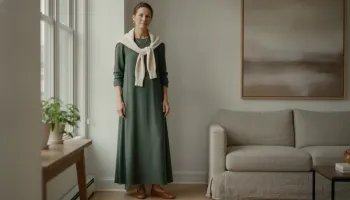
Style a maxi dress with sweater for Montreal weather. Proportion, neckline, and knit weight for women over 40, plus a Westmount styling visit.
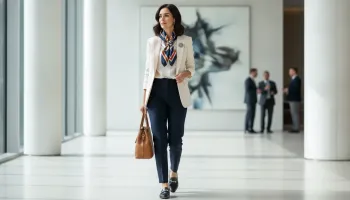
Learn how to style a printed silk scarf by fold, colour and scale, with current Etro and Dorothee Schumacher silk pieces.
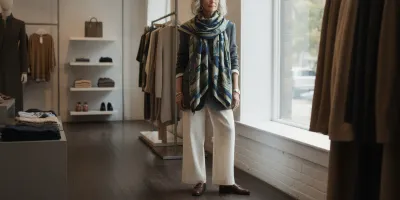
How to Style a Printed Silk Scarf with Ease A printed silk scarf can bring colour, movement and personality to the simplest outfit. If you are wondering how to style a printed silk scarf without making the wardrobe feel busy, begin with the scale of the print. Then look at the line of the fold and the colours already in your clothing. A thoughtful drape can frame the face, soften tailoring or make a familiar coat feel newly considered. The goal is not to create a complicated knot, but to let a beautiful print work naturally with the clothes you already enjoy wearing. Call (514) 935-8389 to arrange a complimentary personalized styling appointment at Emma Boutique. At Emma Boutique in Westmount, a scarf is considered as part of a complete wardrobe rather than as an isolated accessory. The same square of silk may feel polished with a blazer, relaxed over a knit or expressive against a plain coat. Looking at the scarf beside your own colours, necklines and proportions is often more useful than memorizing a single way to tie it. Start with the Print, Not the Knot Before folding a printed silk scarf, look closely at its composition. Is the pattern made of small marks, broad botanical shapes, painterly colour or a strong border? Does the design have one dominant shade, or does it offer several colours that can connect with pieces already in your wardrobe? These observations tell you how much of the scarf to show and where to place it. A small-scale print can sit close to the neck and add a discreet note of colour to a white shirt, fine knit or tailored jacket. A larger motif often benefits from more space. Wear it as a loose triangle over a coat or let a section fall open so the design can be seen. Folding a dramatic print into a very narrow strip may hide the quality that made you choose it. A border is another styling opportunity. Fold a square so that the border traces the neckline, or let one corner fall forward when the scarf is draped over the shoulders. A border can also create a clean line against a round-neck sweater. When the centre of the design is especially expressive, a relaxed fold allows it to remain visible without requiring a decorative knot. Printed silk does not need to match every colour in an outfit. It is usually enough to repeat one quiet shade from the print in a trouser, shoe, bag or piece of jewellery. The rest of the outfit can remain neutral. This approach gives the scarf a sense of connection while preserving its role as an intentional accent. How to Style a Printed Silk Scarf Around the Neck The relaxed loop. For an easy everyday look, fold the scarf into a long band. Place it around the neck and let the ends fall at different lengths. Keep the loop soft rather than pulling it tight. This works particularly well with a simple crew-neck knit, a crisp shirt or a jacket with an open collar. The uneven ends create movement and prevent the look from feeling overly formal. With a printed silk scarf, the relaxed loop is also a way to control visual intensity. Leave a little of the border visible and allow the rest of the pattern to show in flashes. A neutral blazer or coat gives the print room to speak, while the vertical ends create a flattering line through the centre of the outfit. The soft neck tie For a more defined effect, fold a smaller square on the diagonal, roll it gently and tie it once at the front or slightly to one side. The tie should feel soft and flexible. A low knot looks elegant with an open neckline, while a knot placed just below the collar can bring colour to a shirt without competing with its buttons. This approach suits a scarf with a refined border or a print that becomes more interesting when folded. It is also useful when you want the accessory to feel polished for a meeting or lunch, but not as structured as a bow. Let the ends remain short and light so the silk keeps its natural fluidity. The single shoulder drape Fold a larger scarf into a triangle and place it across the shoulders, allowing one side to fall longer than the other. This is an elegant way to wear a generous square over a dress, a fine knit or a sleeveless top. It creates a graceful diagonal and gives the print enough space to be appreciated.
When the scarf has a high-contrast design, keep the rest of the outfit simple. A single shoulder drape can replace a necklace, especially when the neckline is open and the scarf already brings interest near the face. In cooler weather, place it beneath an open coat so that the colour remains visible while the fabric stays protected. Match the Fold to the Neckline A scarf and a neckline should support each other. With a round neck, a narrow tie or a soft close fold adds definition without creating too much volume. With a V-neck, try a loose drape that follows the downward line, or position a small knot just above the point of the neckline. This keeps the eye moving through the outfit. An open shirt collar gives a printed scarf several possibilities. A long fold can be worn inside the shirt for a subtle flash of pattern, or the scarf can sit over the collar when you want a more expressive result. If the shirt has a noticeable stripe or check, choose a scarf whose print shares one colour with it and keep the fold uncomplicated. High necks and turtlenecks often work best with a larger scarf worn over the garment rather than packed beneath it. Spread the square across the shoulders, or fold it into a generous triangle and let the point fall down the front. The extra space balances the visual weight of the neckline and keeps the silk from bunching. Tailored lapels are natural partners for a printed silk scarf. A narrow fold tucked into the jacket creates a neat line, while a looser drape softens a sharper blazer. If the lapel is wide, allow a little more of the print to show. If the jacket has a strong shoulder or statement buttons, use a quieter fold so the composition remains balanced. Use Colour to Make the Print Feel Personal The easiest wa