Designer Boutique Montreal: Emma Boutique's Designers
Discover Emma Boutique, a designer boutique montreal shoppers can visit for curated European and North American labels, personal styling, and thoughtful style.
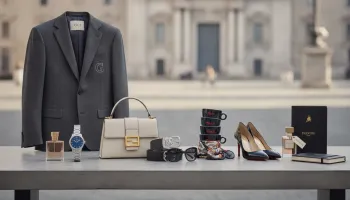
Some clothes make getting dressed feel easy: a cardigan that works with denim and tailored trousers, or a printed blouse that brings personality to a familiar outfit. Italian designer brands often pair this kind of everyday versatility with fine materials, skilled craftsmanship, and memorable design. Their appeal isn’t limited to dramatic runway looks. It can also be found in the way a fabric moves, a jacket sits, or an accessory adds character without taking over. If you’re curious about what makes Italian fashion distinctive, start with its design codes and the stories behind them. Then consider how pieces from Etro or N°21 might complement the clothes you already love.
Key Takeaways
• Look beyond the label: Check fabric, finishing, and fit to appreciate the craftsmanship behind Italian designer pieces.
• Let one detail express your style: A patterned blouse, feminine accent, or distinctive accessory can add character without requiring a head-to-toe designer look.
• Choose pieces you’ll wear often: Consider how an item fits your routine and works with your wardrobe, then explore Etro and N°21 online or at Emma Boutique in Westmount.
What Sets Italian Designer Brands Apart?
How craftsmanship, premium materials, and regional expertise define Italian fashion
Italian fashion is known for pairing careful craftsmanship with pieces made for real life. Fine materials and thoughtful construction matter, but so does how a garment feels to wear. A well-cut jacket, a soft knit, or a beautifully finished handbag can bring polish to everyday outfits without feeling overly formal.
That balance reflects Italy’s long tradition of specialist makers and regional expertise in textiles, leatherwork, and garment construction. These skills give designers a foundation for creating pieces with character and lasting appeal. As Vesti La Natura explains, Italian fashion has often combined luxury with practical design. When choosing a piece, look beyond its label: consider the feel of the fabric, the quality of the finish, and how easily it fits into your wardrobe.
How sprezzatura, la bella figura, and expressive design shape its style
Italian style is often linked to sprezzatura, the art of looking effortlessly put together, and la bella figura, the idea of presenting yourself with care. Both are less about following strict rules than wearing clothes with confidence. A vivid print with simple trousers, or a sculptural accessory paired with a pared-back outfit, can feel polished without appearing too formal.
This relaxed confidence makes room for expressive design. Italian labels often bring together rich color, distinctive patterns, and refined shapes, so a single piece can give an outfit its point of view. The Frist Art Museum’s overview of Italian fashion highlights the role of bold design, fine textiles, and graceful nonchalance. For an easy starting point, choose one standout item and pair it with pieces you already wear often.
How heritage and innovation create signature looks
Italian designers often revisit the details that make a brand recognizable, then give them a fresh feel through new colors, proportions, or styling. This keeps a house’s heritage visible while allowing its clothes to speak to how people dress now. A familiar motif, for example, might appear in a softer palette or on a more relaxed silhouette.
You can see this balance in Etro’s expressive patterns and N°21’s feminine details and unexpected contrasts. Each label offers a distinct way to bring Italian design into a contemporary wardrobe, whether you gravitate toward layered prints or subtle statement pieces. The Metropolitan Museum of Art describes how Italian fashion draws on historic artisanship while modernizing its image and designs. Explore Etro and N°21 at Emma Boutique to discover pieces selected for the boutique’s polished, individual approach to style.
How Did Italian Fashion Become a Global Force?
Italian fashion’s international reputation grew through a blend of skilled craftsmanship, distinctive design, and an easy confidence in how clothes are worn. Postwar industry, high-profile runway shows, and Milan’s ready-to-wear scene each helped bring Italian designers to a wider audience.
How postwar growth built “Made in Italy”
After the Second World War, Italy’s fashion industry built on its strengths in textiles, leatherwork, and skilled local craftsmanship. Designers combined these traditions with modern silhouettes and expressive details, creating clothing that felt polished yet relaxed. This balance is often linked to sprezzatura, the art of looking effortless while paying close attention to style.
As Italian designers gained international recognition, “Made in Italy” became closely associated with quality materials, thoughtful construction, and a distinct design sensibility. The phrase reflects more than a label of origin: it speaks to the networks of makers and regional expertise behind many Italian fashion houses. The Frist Art Museum’s overview of Italian fashion since 1945 explores how these postwar strengths helped establish Italy as a fashion powerhouse.
How Florence’s Sala Bianca introduced Italian fashion internationally
In the 1950s, Florence’s Sala Bianca became a prominent stage for Italian designers. Its runway shows brought collections to international buyers and journalists, helping Italian fashion attract attention beyond its home market. At a time when Paris was widely regarded as the center of couture, the shows gave designers in Italy a platform to present their own vision.
That shift helped establish the power suit as a lasting wardrobe idea. Armani’s tailoring gave women clothing that communicated confidence without feeling overly strict. The same design focus extends to refined separates and eveningwear, where fit, fabric, and proportion take priority. A well-cut blazer can work with matching trousers for a coordinated outfit or with denim for a more relaxed combination. When assessing a jacket, pay attention to the shoulder, sleeve length, and how comfortably it moves with you. Discover the label’s collections at Armani.
Bottega Veneta: Intrecciato leatherwork and understated luxury
Bottega Veneta was founded in Vicenza in 1966 and became known for its leather craftsmanship. Its signature intrecciato technique weaves narrow strips of leather together, creating a textured finish without relying on a prominent logo. The result is recognizable to those familiar with the house, yet understated at a glance.
That quiet confidence makes Bottega Veneta a compelling choice if you value materials and construction over branding. Intrecciato appears in bags and small leather goods, with variations in size, color, and shape. A woven bag can add texture to a simple outfit or complement other tactile pieces, such as knitwear or a soft coat. For everyday use, consider the size and strap style as carefully as the color. The Bottega Veneta website shows how the house continues to interpret its leatherwork tradition.
Ferragamo: Inventive footwear and leather accessories
Salvatore Ferragamo began his career as a shoemaker and founded his company in Florence in 1927. The label’s history is closely tied to footwear, with a reputation for combining design, comfort, and technical ingenuity. Its archive reflects a practical understanding of how shoes need to fit and function, alongside a distinctive design sensibility.
Signature details have evolved over time, from the Vara bow to the Gancini motif. These elements appear on shoes, bags, belts, and other accessories, giving the collections continuity without limiting them to one look. When choosing designer shoes, think beyond appearance: consider how often you’ll wear them, which occasions they suit, and whether the fit feels comfortable. A well-made flat or heel can finish both tailored clothing and casual separates. Explore Ferragamo’s footwear and accessories on the brand website.
Missoni: Colorful zigzag knitwear
Missoni is best known for colorful knitwear and distinctive zigzag patterns. Ottavio and Rosita Missoni founded the Italian house in 1953, building its identity around an innovative approach to knitted fabrics. Color, texture, and pattern became central to its designs, making knitwear a signature rather than simply a layering piece.
The zigzag motif is the label’s best-known expression, but Missoni’s visual language also includes stripes, blended hues, and textured stitches. A patterned knit can feel bold yet easy to wear when paired with simple trousers, denim, or a clean-lined skirt. A scarf offers a smaller way to bring Missoni’s color into your wardrobe. If you’re considering a knit, think about its weight, how it layers under a coat, and whether you prefer vivid pattern or a quieter mix of tones. Browse the latest designs on the Missoni website.
How Do Italian Designer Brands Influence Global Fashion?
Italian designer brands influence fashion far beyond their home country. Their ideas travel through runway collections, signature accessories, and the way designers approach tailoring, color, and materials. A striking print or distinctive silhouette may catch the eye, but craftsmanship and wearability help make it part of a real wardrobe. This blend of visual character and practical design has helped Italian fashion resonate with women whose tastes range from understated to expressive.
The influence also comes from the way fashion houses build recognizable design identities. A particular weave, motif, or approach to tailoring can become a signature, then return in new forms over time. The history of Italian fashion reflects this ongoing exchange between tradition and new ideas. From a printed blouse to a beautifully made bag, these design codes make it possible to bring a distinct point of view into a personal wardrobe without wearing head-to-toe designer looks.
How iconic products keep brand signatures alive
An iconic product gives a fashion house a recognizable point of reference. Ferragamo’s Gancini motif, for instance, has appeared across accessories and leather goods, linking newer designs to the brand’s history. A signature bag shape or recurring print can work in much the same way: it helps people recognize a label, even as colors, materials, and proportions evolve.
Before choosing a designer piece, look closely at its fabric, construction, and finish. Consider how the material feels against your skin, whether the garment suits the season, and how it may need to be cared for. Details such as a neat seam, thoughtful lining, or well-finished button can make a difference to how a piece wears over time. In accessories, craftsmanship can also become part of the design itself: Bottega Veneta’s intrecciato technique is a notable example of handwoven leatherwork.
Versatility is worth weighing alongside quality. Try to picture at least three outfits you could create with the piece, and ask whether you’ll reach for it regularly. You can also estimate cost per wear by dividing the price by the number of times you expect to wear it. This simple check helps you compare a special-occasion purchase with an item that suits your everyday wardrobe.
Discover Etro and N°21 online or by appointment at Emma Boutique in Westmount
Etro and N°21 offer two distinct perspectives on Italian design. Etro is associated with expressive patterns and a rich textile heritage, while N°21 brings a modern sensibility to feminine dressing. Whether you’re looking for a statement print or a considered detail to refresh familiar outfits, exploring both labels can help you see which direction feels right for your wardrobe. You can find the brands in Emma Boutique’s designer collection.
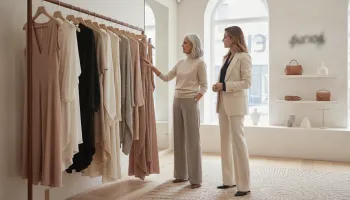
Browse the online shop to explore current selections, or book a styling appointment at the boutique at 1350 Greene Avenue in Westmount. A one-on-one visit gives you the chance to consider fit, fabric, and styling with personal guidance. It’s a practical way to compare pieces and decide how they’ll work with what you already own.
Frequently Asked Questions
What makes Italian designer clothing different?Italian fashion often pairs skilled construction and quality materials with a strong design identity. Depending on the label, that might mean expressive prints, relaxed tailoring, refined knitwear, or distinctive leatherwork.
How can I wear an Italian designer piece without making it the focus of my whole outfit?Start with one item, such as a patterned blouse, textured knit, or statement bag, and pair it with pieces in simple shapes or colors. This lets the design stand out while keeping the outfit easy to wear.
Which Italian designer brands can I find at Emma Boutique?Emma Boutique carries Etro and N°21. Etro is known for rich patterns and textile details, while N°21 brings a contemporary feel to feminine design. Check the boutique’s brand selection for current offerings.
How do I decide whether a designer piece is right for my wardrobe?Consider how it fits, feels, and works with clothes you already own. It can help to picture a few outfits you would wear it with and think about how often it suits your routine.
Can I get help choosing Italian designer clothing at Emma Boutique?Yes. You can book a one-on-one styling appointment at Emma Boutique’s Westmount location to discuss fit, materials, and ways to wear pieces. You can also browse the online shop.
These pieces also make a brand’s identity tangible. Someone might first discover a fashion house through a bag or pair of shoes, then notice related details in its ready-to-wear and accessories. As Italian designer brands demonstrate, recognizable products can express both craftsmanship and identity. Their lasting appeal lies in how they carry a house’s design history into everyday life, rather than simply repeating a look from the past.
How Italian style shapes tailoring, prints, materials, and accessories
Italian designers have helped shape global ideas about clothing that feels polished yet comfortable to wear. Relaxed tailoring offers structure without stiffness, while thoughtful cuts allow garments to move naturally. Prints bring another kind of expression: Etro, for example, is known for intricate patterns and a rich textile heritage. You can explore the label’s distinctive pieces in Emma Boutique’s Etro selection.
Materials matter just as much. Fine wool, cashmere, leather, and carefully finished knits give clothing and accessories texture, longevity, and a sense of refinement. Italian fashion houses often treat shoes, belts, and bags as integral parts of an outfit, not finishing touches added at the last minute. This connection between craft and everyday use is central to Italian fashion’s artisan traditions, and it offers a useful reminder when choosing pieces for a wardrobe: expressive design can still be versatile.
How Milan Fashion Week brings Italian style to the world
Milan Fashion Week puts Italian designers in front of an international audience. Buyers, editors, stylists, and fashion fans follow the collections, then share new ideas through stores, publications, and personal style. The shows give established houses a place to present their latest work and introduce audiences to emerging designers, keeping Italian fashion part of a wider conversation.
Italy’s international fashion presence took shape long before Milan’s current runway calendar. Florence’s Sala Bianca shows in the 1950s helped introduce Italian designers to buyers and audiences abroad. The Frist Art Museum’s account of Italian style traces this history and the importance of those early presentations. Today, Milan Fashion Week continues that exchange. It brings Italian craftsmanship and design to the world while reflecting how tastes, technology, and ideas about dressing continue to shift.
How brands adapt heritage codes to changing tastes and expectations
A brand’s heritage stays relevant when designers find fresh ways to interpret it. A familiar motif might appear in a new color or on a more relaxed silhouette. A traditional jacket could be reworked with softer construction. The design reference remains, but the piece feels suited to how people dress now.
This balance lets a fashion house hold on to its identity without asking customers to recreate a look from decades ago. It also leaves room for personal style: one woman might wear a bold print as the focus of an outfit, while another chooses a subtle accessory that carries the same design spirit. N°21, available through Emma Boutique’s collection, offers a contemporary take on feminine dressing through contrasts and unexpected details. The Metropolitan Museum of Art’s overview of Italian fashion provides further context for how Italian designers continue to connect heritage with new ideas.
How Can You Choose Italian Designer Pieces for Your Wardrobe?
Find a signature style that suits your taste and routine
Italian fashion is known for creative design, but that doesn’t mean every piece needs to be bold. Start with what you genuinely enjoy wearing. Do you gravitate toward expressive prints and rich color, or do you prefer clean lines and a quieter palette? Think about where you’ll wear the piece, too: your workday, weekends, or a special occasion.
Then consider how it will work with the clothes you already own. A patterned blouse can bring fresh energy to familiar denim, while a beautifully cut cardigan can become a reliable layer through changing seasons. Italy’s fashion heritage offers plenty of inspiration, but the best choice is one that feels like you and fits comfortably into your routine. For ideas on the range of styles and labels, browse Emma Boutique’s curated brand selection.
Compare materials, craftsmanship, versatility, and cost per wear
The Dionysus bag is one of Gucci’s recognizable modern accessories. It has a structured shape and a distinctive closure featuring two tiger heads. Like other signature bags, it can anchor a simple outfit or complement a more expressive mix of color and pattern. When choosing a Gucci piece, consider whether you want a recognizable logo or hardware detail to take the lead, or a more subtle leather accessory that works across seasons. Explore the house’s current designs on the Gucci website.
Prada: Intellectual minimalism and the nylon backpack
Founded in Milan in 1913, Prada is known for designs that balance polish with an unconventional point of view. Its minimalism often comes with a twist: an unexpected color, an unusual material, or a clean silhouette with a surprising detail. That contrast gives Prada pieces character without relying on excessive ornament.
The nylon backpack helped define this approach. Prada brought a practical fabric into the world of luxury accessories, showing that a designer piece could be functional as well as refined. Nylon remains part of the brand’s vocabulary, alongside leather goods, ready-to-wear, and shoes. For your wardrobe, Prada’s design language may suit you if you value versatility but still want a piece with personality. Look for interest in the material, proportion, or finish. See how the house revisits its signatures on the Prada website.
Valentino: Couture romance, signature red, and Rockstud
Valentino is associated with romantic couture, graceful silhouettes, and a rich sense of color. Valentino Garavani founded the house in Rome in 1960. Its signature red is one of fashion’s most recognizable shades, while its eveningwear has helped establish the label’s reputation for polished, feminine glamour.
The Rockstud collection adds a sharper note to that romantic sensibility. Introduced in 2010, the pyramid-shaped studs appear on shoes and bags, pairing refined shapes with a graphic edge. When choosing a Valentino piece, think about how you want it to work with the clothes you already own. A red dress or embellished shoe can become the focus of an outfit; a more understated bag can offer a subtler reference to the house. Explore the brand’s current collections on the Valentino website.
Fendi: Leather and fur craftsmanship, plus the Baguette bag
Fendi began as a fur and leather goods shop in Rome in 1925. The house developed a reputation for craftsmanship and experimentation with materials, building an identity that spans accessories, ready-to-wear, and outerwear. Its double-F motif is another recognizable part of the brand’s visual language.
The Baguette bag, introduced in 1997, is among Fendi’s best-known designs. Its compact shape and short strap are made to carry under the arm, like a baguette. The style has appeared in many materials, colors, and embellishments, showing how a familiar silhouette can be reimagined while staying recognizable. A Fendi accessory can bring a distinctive focal point to a pared-back outfit, while the brand’s clothing offers polished options for everyday dressing. Explore the house’s current collections at Fendi.
Versace: Baroque prints, bold glamour, and the Medusa
Gianni Versace founded his namesake label in Milan in 1978. The house is known for confident glamour, vivid color, dramatic silhouettes, and ornate patterns influenced by classical art and architecture. Baroque-inspired prints are a recurring signature, bringing movement and impact to clothing and accessories.
The Medusa emblem is another defining code. Inspired by the figure from Greek mythology, it reflects the house’s interest in powerful imagery and memorable design. It appears across collections, alongside gold tones and graphic motifs. Versace may appeal if you want your clothing to make a statement. A printed blouse or striking accessory can bring energy to a neutral wardrobe, while a head-to-toe look leans into the label’s maximalist spirit. Choose the level of drama that feels right for you, then explore the current designs on the Versace website.
Armani: Relaxed tailoring and the power suit
Giorgio Armani founded his namesake label in 1975 and helped reshape the look and feel of tailoring. His designs are associated with softened structure, fluid fabrics, and clean lines. Rather than relying on rigid construction, Armani’s approach made suits feel more relaxed while preserving their polish.
The collections showcased qualities that would become closely associated with Italian style, including fine materials, confident use of color, and a strong connection between design and craftsmanship. The Sala Bianca shows helped audiences recognize Italian fashion as more than an alternative to Parisian design. They marked an important step in its emergence as a distinct international force, as the Frist Art Museum recounts.
How Milan became a center for prêt-à-porter and fashion week
By the early 1970s, the focus of Italian fashion was shifting from Florence to Milan. The city became a center for prêt-à-porter, or designer ready-to-wear: collections produced in standard sizes and presented to buyers. This approach helped labels reach more customers while maintaining a focus on quality, design, and strong brand identities.
Milan’s growing ready-to-wear scene helped lay the groundwork for the fashion week format familiar today, bringing designers, buyers, and journalists together to see seasonal collections. The move from Florence to Milan reflects a broader shift in the industry, from showcasing fashion primarily as couture to building internationally recognized ready-to-wear brands. System Magazine’s account of Italian fashion traces this transition. Today, shoppers can explore distinct Italian design perspectives, including Etro and N°21 at Emma Boutique.
Which Italian Designer Brands Should You Know?
Italian fashion spans expressive prints, vivid color, understated leatherwork, and precise tailoring. Some labels are recognized by a signature motif or accessory; others are known for a particular approach to shape, material, or femininity. Learning these design codes can help you spot what appeals to you and choose pieces that feel personal, not just familiar.
The names below represent different sides of Italian style, from historic fashion houses to contemporary labels. Their signature details also show how a design can become part of a brand’s identity: a woven leather pattern, a memorable bag shape, or a distinctive knit. You don’t need to adopt a designer’s look from head to toe. A blouse, scarf, shoe, or bag can bring a brand’s point of view into an outfit in a way that feels natural for your wardrobe.
Emma Boutique carries Etro and N°21, two Italian labels with contrasting approaches to contemporary dressing. Etro is known for richly patterned textiles, while N°21 mixes feminine details with unexpected pairings. Explore both in Emma Boutique’s designer selection, online or with personalized styling at the Westmount boutique.
Etro: Paisley, layered prints, and textile heritage
Founded in Milan in 1968, Etro built its identity around textiles, color, and pattern. Paisley is one of the house’s best-known motifs, often appearing alongside florals, geometric designs, and other prints. Rather than treating pattern as a small accent, Etro makes it central to the design, giving its pieces an artistic, collected feel.
Layering is part of the appeal. A patterned blouse can bring personality to tailored trousers, while a printed scarf or bag adds color to a quieter outfit. To keep the look balanced, choose one statement piece and pair it with simple separates, or combine prints that share a color palette. Etro suits women who enjoy expressive clothing with a clear sense of textile heritage. Browse the label in Emma Boutique’s curated selection, online or in Westmount.
N°21: Modern femininity, bows, and unexpected contrasts
Founded by designer Alessandro Dell’Acqua in 2010, N°21 offers a contemporary take on feminine dressing. Its designs often pair details that create an appealing contrast: bows with clean tailoring, romantic accents with sporty elements, or polished fabrics with relaxed shapes. The result feels individual without losing sight of wearability.
A bow, for example, can look playful rather than precious when it appears on a crisp shirt or a pared-back dress. That balance makes N°21 easy to style for different occasions. Wear a statement blouse with denim for an everyday outfit, or pair it with tailored trousers for a more polished look. The label may appeal if you enjoy feminine details but want a modern edge. You can explore N°21 through Emma Boutique’s designer selection and book a one-on-one styling appointment in Westmount.
Gucci: Equestrian codes, leather goods, and the Dionysus bag
Gucci began in Florence in 1921, drawing on the city’s leatherworking tradition and founder Guccio Gucci’s experience with travel goods. Equestrian references became part of the house’s visual language, appearing in details such as horsebit hardware and web stripes. These codes connect Gucci designs to the brand’s origins while leaving room for fresh interpretations.